Packaging Tubing Versus Plastic Pipe
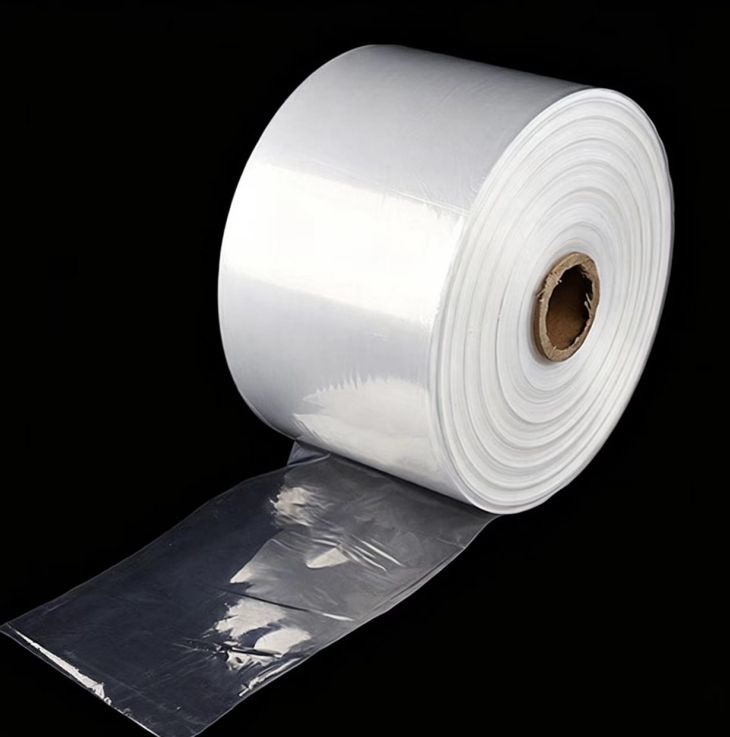
Buyers searching what poly tubing is used for frequently land on two unrelated product lines that share a name. Hardware, irrigation, and automation suppliers sell extruded semi-rigid polyethylene pipe coiled as open round hose for conveying water, chemicals, or compressed air. Packaging film converters, by contrast, extrude thin-wall blown polyethylene film (Lay Flat Poly Tubing), press the film bubble completely flat between nip rollers, and wind it onto paper or plastic roll cores.
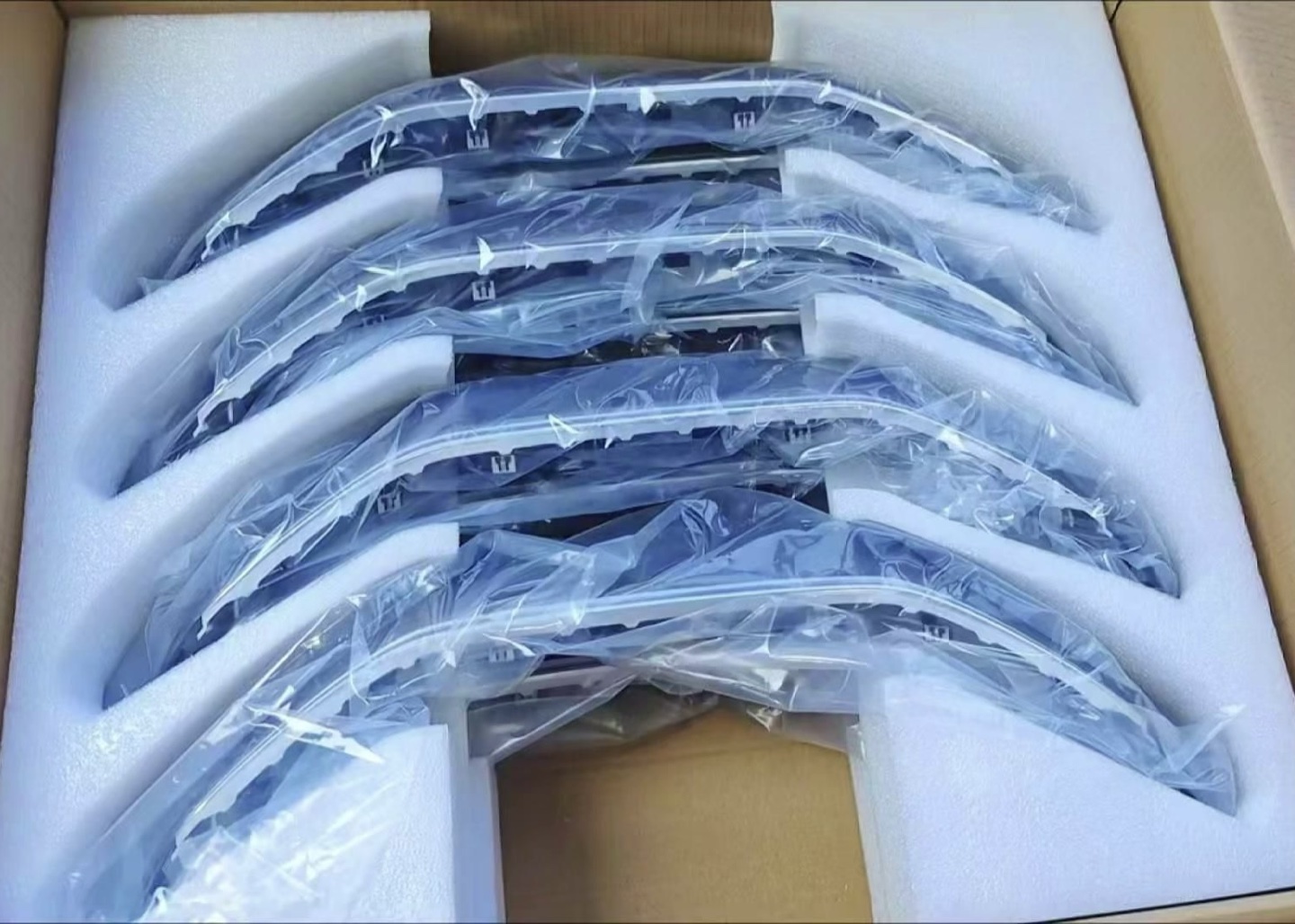
In commercial manufacturing and warehouse fulfillment, flexible packaging layflat tubing is used to sleeve long extrusions, metal rods, moldings, rolled textiles, carpets, and multi-length spare-parts kits—reducing bag SKU count because one roll width can be cut to any item length on the packing bench or inline bagger:
| Attribute | Packaging Layflat Poly Tubing | Rigid / Pneumatic Plastic Pipe |
|---|---|---|
| Physical Form on Roll | Thin, flexible seamless film sleeve collapsed completely flat with two folded side creases. | Self-supporting round hollow hose or rigid pipe holding an open circular bore. |
| Standard Sizing Metric | Lay-flat width (W) across folded creases + single-wall film thickness (mil or µm). | Inside diameter (ID), outside diameter (OD), wall schedule, and burst pressure (PSI/bar). |
| Joining & Closing Method | Cut with a shear or hot knife and closed via impulse heat sealer, bag tape, or ties. | Joined with barbed, compression, push-to-connect, or butt-fusion pipe fittings. |
| Zanfeng New Materials Scope | Confirmed manufacturing focus: Lay Flat Poly Tubing and Gusseted Poly Tubing. | Not manufactured; we do not supply fluid, irrigation, medical, or pneumatic tubing. |
Flat Width and Film Thickness
Ordering packaging tubing with a pipe diameter callout causes immediate sizing errors: a 4-inch round cylinder will never fit inside '4-inch layflat tubing,' because 4-inch layflat tubing measures 4 inches flat across the table (8 inches total circumference, opening to roughly a 2.55-inch circle). Always convert your product's outer cross-section into flat sleeve width before quoting:
- Round items — Diameter to Lay-Flat Width (W = π × D ÷ 2): Because the two flat layers of the sleeve together form the full circle's circumference (2 × W = π × D), minimum theoretical flat width equals 1.571 × D (conversely, a tubing roll of flat width W opens to a maximum round diameter of D = 2W ÷ π ≈ 0.637 × W). Add practical loading clearance—typically 0.5–1.5 in. (15–40 mm) depending on part length and surface friction—so parts slide in smoothly.
- Rectangular or bundled profiles (W = Part Width + Part Height + clearance): Sum the four outer sides of the cross-section to find total perimeter, divide by two, and add insertion clearance so corners do not bind against the seamless side creases.
- Resin grade & roll core specification: Specify the required polyethylene resin family (LDPE, LLDPE, or HDPE), core inner diameter, and paper or plastic core preference when reviewing Lay Flat Poly Tubing.
- Single-wall film thickness: Always measure and specify the caliper of one single film wall in mil or microns (µm)—clamping a micrometer across both collapsed plies of layflat tubing reads double the true single-wall thickness. Review unit conversions and roll weight math in our Poly Bag Thickness, Gauge and Weight Guide.
Cut Length and Sealing Layout
Although layflat poly tubing arrives as a continuous open web without cross welds, documenting your downstream cutting and heat-sealing layout helps confirm resin selection, roll footage yield, and sealer bar compatibility before production.
Prepare these converting details alongside your flat width and thickness specification:
- Open-ended sleeve vs. single-seal or dual-seal pouch: Mark on your drawing whether cut sections remain open at both ends (protective surface sleeve inside a carton), take one cross weld before loading (custom-length bottom-seal bag), or seal across both ends to enclose a kit completely.
- Total cut-length allowance: Add your maximum item length + end-transition depth (at least 0.5 × part thickness at each sealed end so film slopes down cleanly to the sealing jaw) + heat-seal band width and outer skirt clearance.
- Roll unwind & machine handling limits: If feeding an inline automatic bagger or tabletop cutter/sealer, specify roll core inside diameter, paper vs. plastic core preference, and maximum roll outside diameter or roll weight your unwind shaft supports.
- Calibrate sealer dwell on actual film rather than fixed temperature notes: Avoid writing a single generic heat-seal temperature onto purchase drawings; real sealing dwell and cooling times vary with HDPE/LDPE/LLDPE grade, single-wall caliper, jaw Teflon tape condition, and cycle speed, and should be verified on production film.
When to Choose Gusseted Tubing
Standard two-layer Lay Flat Poly Tubing handles narrow-to-medium profiles cleanly, but large boxy assemblies, wide furniture/appliance frames, or pallet-scale sleeves can push required flat width beyond your dispenser stand or impulse sealer jaw width. In those cases, Gusseted Poly Tubing tucks expandable pleats inward along both sides during extrusion—keeping the wound roll face compact on the shaft while unfolding to a much larger four-sided perimeter (2W + 2G) around bulky loads.
Keep one sealing difference in mind when comparing the two roll formats: flat tubing presents a uniform two-layer thickness across the entire heat-seal bar, whereas gusseted tubing transitions from four film layers along both pleated margins to two layers across the center panel, requiring adequate sealer pressure and dwell across the step. Send your product cross-section, target single-wall thickness, and roll quantity via Request a Quote to confirm the right tubing structure.
Lay Flat Poly Tubing
Two-layer flat-wound polyethylene sleeve confirmed in 3.5–130 cm flat widths and 16–180 µm single-wall thickness on paper or plastic cores.
Gusseted Poly Tubing
Continuous inward-pleated polyethylene tubing on rolls for bulky rectangular loads and wide perimeters on compact roll widths.