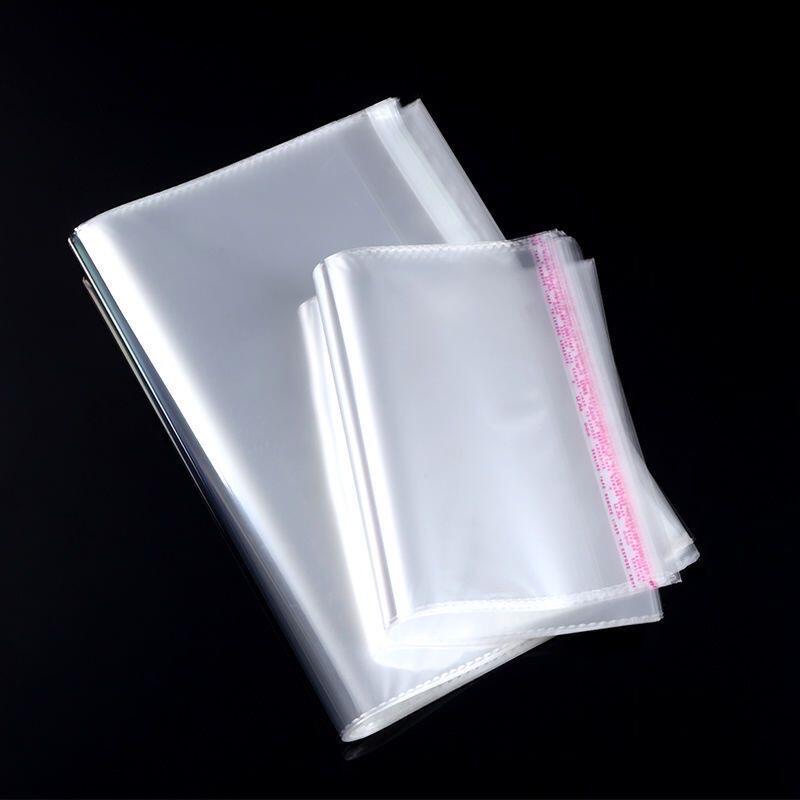
Side Weld and Side Seal Construction
During side-weld conversion, extruded polyethylene sheeting (LDPE, LLDPE, or HDPE) is folded along its length so the fold forms the bottom of the finished bag. As the folded web indexes forward, a heated hot-knife bar simultaneously separates each bag and welds the front and back plies together down the left and right vertical edges.
Understanding how those seams are formed helps procurement and packaging engineers confirm whether hot-knife side welds match their product weight and presentation goals:
- Hot-knife side-weld seams: A heated side-weld blade cuts and fuses both vertical edges in a single stroke, forming narrow, neat side seams without wide fin borders.
- Continuous folded bottom crease: Because the web is folded across the base prior to cutting, the bottom edge has no horizontal weld line and no trailing bottom skirt.
- Clarifying 'side seal bags' terminology: Buyers searching for side seal bags or side sealing bags in polyethylene packaging usually want this folded-bottom, hot-knife side-weld PE structure—whereas flexible barrier converters often use 'side-seal pouch' to describe multi-layer laminated barrier films with wide flat heat-seal borders. Sending a quick seam sketch ensures we quote the exact polyethylene construction you need.
Seal Layout and Bag Opening
Because side-weld bags start as folded flat sheet rather than closed tubing, the two top edges at the bag mouth remain independent before welding. That geometry makes side-weld converting especially adaptable at the opening end while keeping the base completely smooth:
- Flush open top mouth: Both front and back panels terminate at the same height for manual loading, impulse heat sealing, or bag-neck taping.
- Offset extended lip (Poly with Lip): Folding the back panel slightly higher than the front panel creates an easy-grip lip so operators can separate the bag mouth rapidly at manual packing tables. (Note: wicketed pin holes or stapled header packs require separate sample confirmation and are not assumed.)
- Adhesive flap integration: Adding a release-liner adhesive strip to that extended panel converts the structure into Lip and Tape Poly Bags for sealer-free fulfillment.
- Boundary against 3-side and 4-side laminated pouches: Multi-layer barrier sachets sealed around three or four perimeter borders for vacuum, retort, or gas-flush barrier duty belong to laminated pouch converting rather than monolayer polyethylene side-weld bags. Review seam types in our Poly Bag Sealing and Closure Guide.
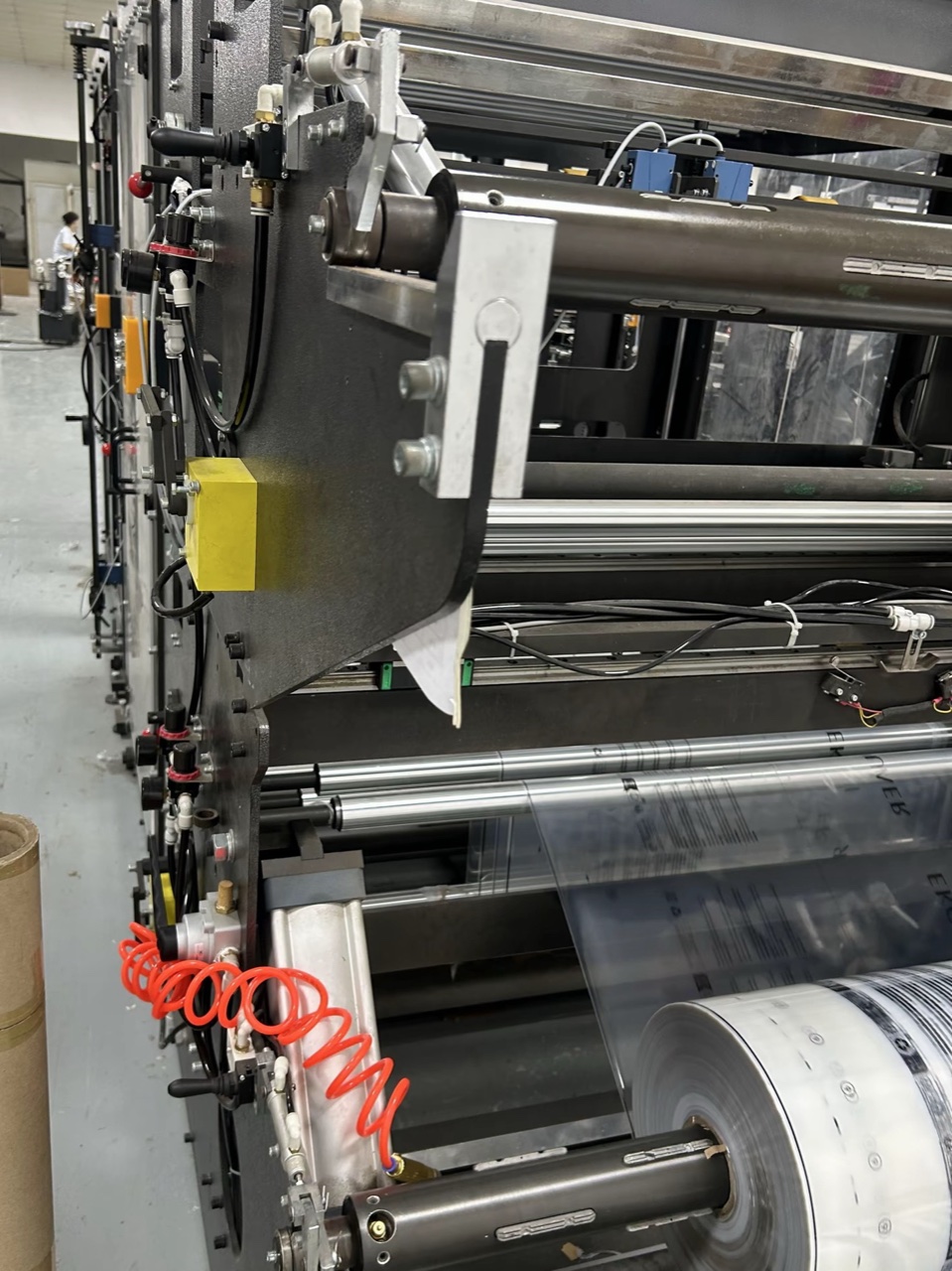
Dimensions and Single-Wall Thickness
Side weld poly bags are made to order at our manufacturing facility according to your submitted drawing or physical sample. Rather than relying on generic stock sizes, specify each measurement and film parameter clearly so seam strength and internal clearance can be verified before quotation:
| Specification | How It Is Defined on Side Weld Bags | What to Provide for Project Review |
|---|---|---|
| Bag Width (W) | Measured flat across the bag face between the inner edges of the left and right hot-knife side welds. | Target usable interior width in inches (in.), millimeters (mm), or centimeters (cm), including clearance for product thickness. |
| Bag Length (L) & Lip | Measured vertically from the bottom folded crease to the open mouth cut edge; any extended lip is measured separately above the mouth. | State usable body length and extended lip height separately; see How to Measure Poly Bags. |
| Single-Wall Thickness | Caliper of one single layer of polyethylene film, stated in mil or microns (µm). | Hot-knife weld strength interacts directly with film thickness—share your target gauge or item weight (see Poly Bag Thickness, Gauge and Weight Guide). |
| Polyethylene Material | Monolayer LDPE, LLDPE, or HDPE polyethylene film (distinct from crisp OPP/BOPP retail bags). | Specify preferred clarity, stiffness, or resin grade; compare options in LDPE, HDPE, and LLDPE. |
| Appearance & Custom Features | Clear polyethylene film; custom bag color reference, vent holes, or print graphics reviewed per project. | Attach a seam drawing, artwork PDF, or sample photo so converting feasibility can be confirmed for your order volume. |
Side Weld Versus Bottom Seal
Choosing between side-weld construction and Bottom Seal Poly Bags comes down to where load stress concentrates inside the package and how operators load the bag mouth. Hot-knife side welds excel when visual neatness at the bottom crease and fast lip opening matter most, whereas seamless tubular edges provide higher side-wall burst margin for dense, shifting parts:
| Comparison Criterion | Side Weld Poly Bags (This Page) | Bottom Seal Poly Bags (P09) |
|---|---|---|
| Starting Film Web | Folded polyethylene sheet film | Seamless blown polyethylene tubing |
| Left & Right Edges | Hot-knife cut-and-seal side welds | Unbroken tubular film folds (no side seams) |
| Bottom Edge | Smooth continuous fold (no bottom skirt) | Horizontal cross-bottom heat weld + short skirt |
| Mouth & Lip Options | Readily formed flush, with an offset lip, or with adhesive tape | Standard flush open top cut across the tube |
| Best-Fit Packaging Loads | Folded apparel, textiles, flat literature, manuals, and light kitting | Heavy hardware, bulk fasteners, cylindrical parts, and inner carton liners |
Request a Construction Review
Send your target width, body length, single-wall thickness, resin preference, and estimated quantity by email or WhatsApp below, or attach a seam layout drawing or sample bag photo so we can confirm the side-weld construction for your project. To explore all bag formats or submit multiple SKUs, visit Poly Bags or Request a Quote.
Send Your Packaging Requirements
For a quotation, email our team or start a WhatsApp conversation. Please include the following details where available:
- Bag or film format and the item you need to pack
- Dimensions, measurement unit, thickness, and estimated order quantity
- Destination country or port and any printing or closure requirements
- Reference photographs, drawings, or specification sheets attached to your email