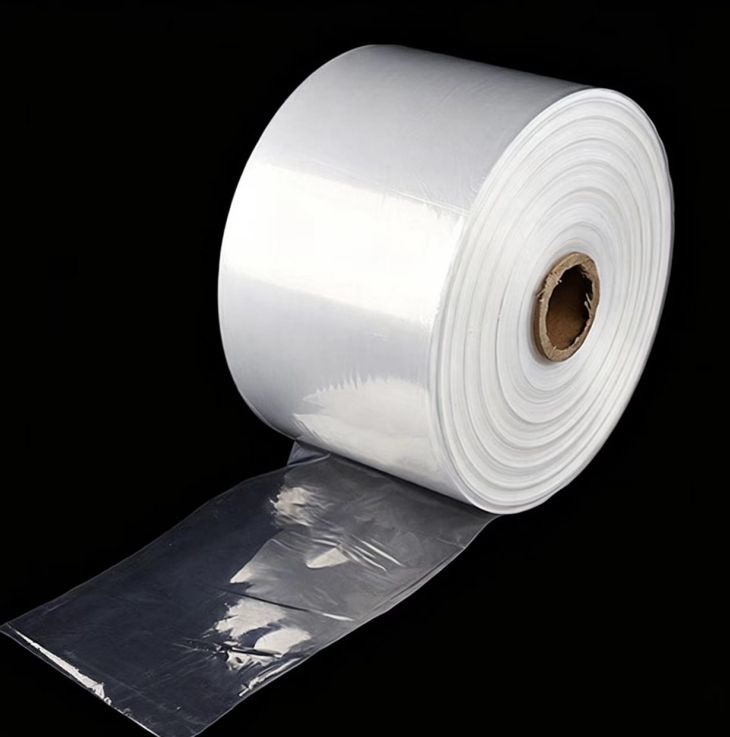
Lay Flat Packaging Tubing
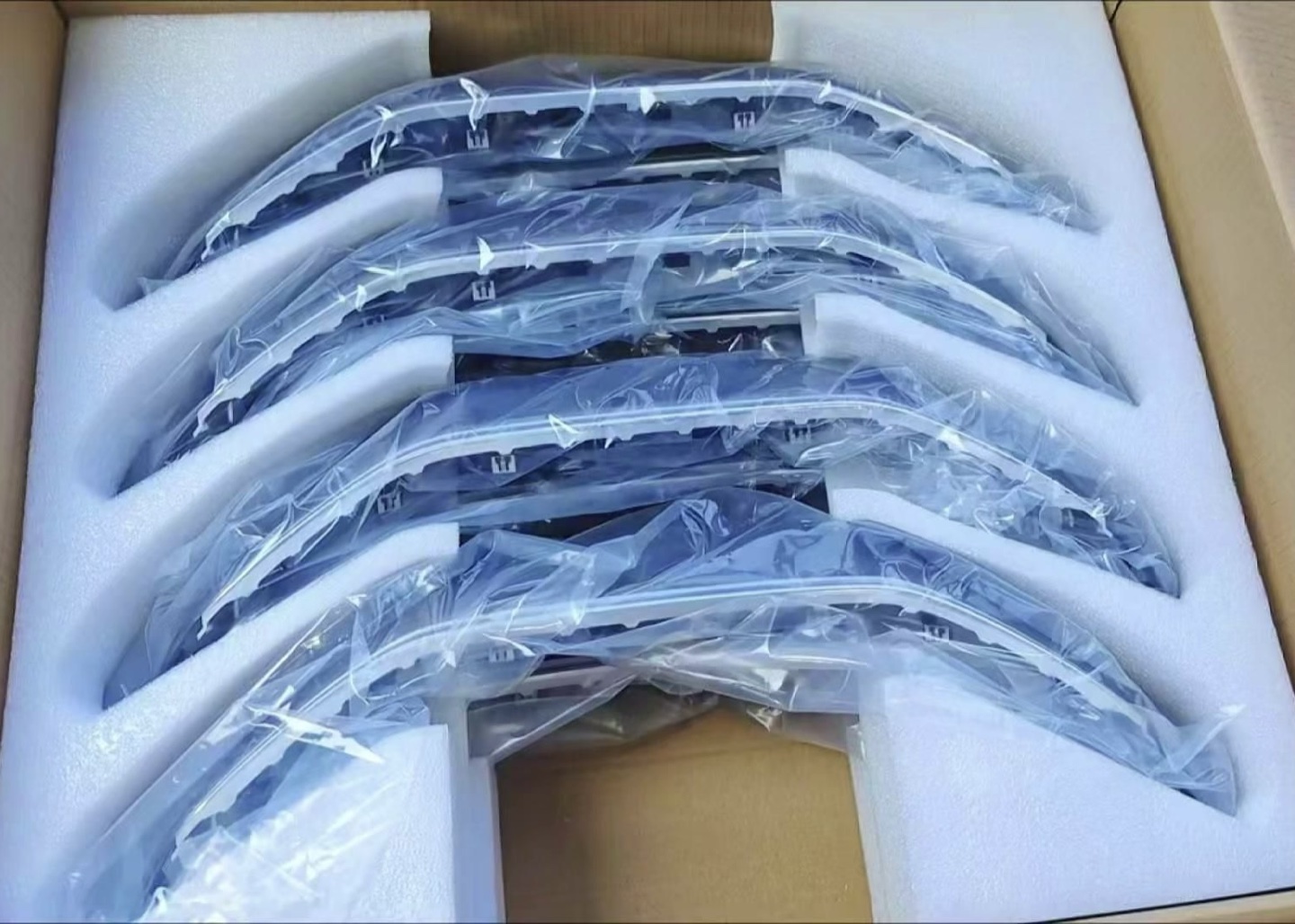
Extruded from blown Polyethylene Film, lay flat poly tubing forms a continuous two-wall tubular web with unbroken creases along the left and right edges and no longitudinal seams. When unrolled across a packing bench or fed through an automated sleeve wrapper, the collapsed film parts smoothly to enclose hardware, machined rods, aluminum extrusions, rolled textiles, and replacement parts kits.
For a broader comparison of how continuous tubing fits manual and semi-automatic packing stations, read Layflat Tubing for Packaging.
- Flexible film sleeve vs. fluid hose: Packaging poly tubing collapses completely flat onto a roll core and opens only when slid over a solid item; it carries zero pressure rating and cannot replace plumbing, medical fluid, or agricultural irrigation tubing.
- Eliminates multi-length bag inventory: One roll width packs short brackets, medium spare parts, and long shafts alike—operators simply pull, cut, and seal to match each item.
- Flat creases vs. expandable pleats: Standard lay-flat tubing uses two smooth side creases; if large rectangular cartons or bulky frames require squared-off side expansion, compare Gusseted Poly Tubing.
Flat Width Versus Tube Diameter
A frequent mistake when ordering plastic tubing for packaging is submitting the round diameter of a cylindrical part as the tubing width. Because flexible layflat tubing is wound pressed flat, a roll with lay-flat width W has a total interior circumference of 2 × W—meaning its maximum round open diameter is D = (2 × W) ÷ π (approximately 0.637 × W), not W itself.
Use the relationship below before entering your target flat width in your enquiry email:
- Round cylinders, rollers, and rods: Multiply your part's outside diameter (D) by 1.57 (π ÷ 2) to find the tight theoretical flat width, then add practical slip-fit clearance (typically 0.5 to 1.5 in. depending on film stiffness and insertion length) so parts slide in without binding.
- Flat, square, or rectangular profiles: Calculate total perimeter around the cross-section (2 × width + 2 × height), divide by 2 to obtain minimum flat width, and add loading clearance for smooth manual or chute insertion.
- Packaging units only: Always enter collapsed Lay-Flat Width (W) in inches (in.), millimeters (mm), or centimeters (cm) on specification sheets—never nominal plumbing pipe ID/OD schedules.
Single-Wall Thickness and Roll Length
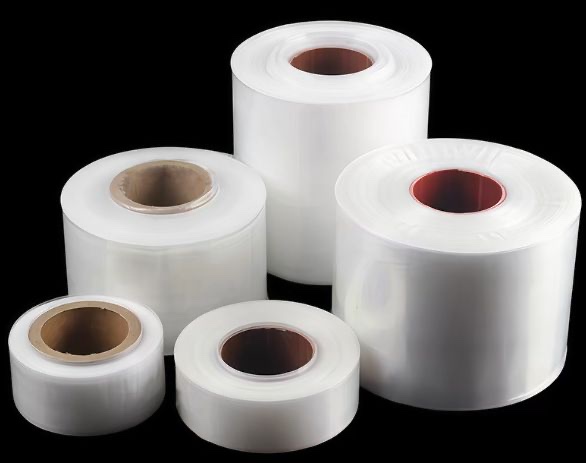
Poly tubing rolls are extruded to order at our manufacturing facility. Every combination of flat width, single-wall caliper, resin blend, roll footage, and core type is reviewed against your part weight and dispensing setup before quotation. Review Poly Bag Thickness, Gauge and Weight Guide for mil-to-micron conversions and single-ply micrometer measurement.
| Specification | Specification Status / Confirmed Range | How to Specify on Your Inquiry |
|---|---|---|
| Lay-Flat Width (W) | 3.5–130 cm (approx. 1.4–51.2 in.) | Measured flat from left seamless crease to right seamless crease while collapsed. |
| Single-Wall Thickness | 16–180 µm (approx. 0.6–7.1 mil) | Measured across one film wall only (covers light utility gauges through 2 mil, 4 mil, and 6 mil heavy-duty packaging tubing within this range). |
| Polyethylene Resin | HDPE, LDPE, or LLDPE | LDPE/LLDPE blends offer clarity, stretch, and straightforward impulse sealing; HDPE adds crisp stiffness. |
| Roll Core Material | Paper or plastic roll cores | Select paper cores for standard bench dispensers or plastic cores where low-dust handling is preferred; note required core ID. |
| Roll Length, Tint & Print Inquiries | Standard roll length unconfirmed (wound to order); opaque/tinted film & inline printing unconfirmed until reviewed per project | State target linear feet/meters or max roll OD; attach color reference or artwork if requesting feasibility review. |
Cutting and Sealing Requirements
How your operators cut and close lay-flat poly tubing determines both your required cut length per piece and your preferred resin blend. Compare common inline conversion patterns (and see Poly Bag Sealing and Closure Guide for closure methods):
- Open-both-ends protective sleeve: Shear straight across the collapsed web with a built-in roll cutter when protecting anodized trim, painted extrusions, or textile rolls against surface dust and scuffing without end welds.
- Single cross-seal + open mouth: Place one straight impulse weld across the base, insert the product, and close the top with a second heat weld, bag tape, twist tie, or staple. (If your line uses a single fixed cut length at high volume, compare pre-converted Bottom Seal Poly Bags.)
- Cut-length allowance for double-end sealing: Add sufficient extra length beyond the item length at both ends to clear part height/thickness, seal-bar jaws, and a short unsealed skirt outside each weld.
- Equipment-specific heat settings: Impulse and constant-heat sealers vary by wire width, PTFE barrier tape, and cooling dwell; operators always calibrate jaw dwell on actual film samples rather than relying on generic temperature charts.
Request a Tubing Quote
Specify your target lay-flat width, single-wall thickness (mil or µm), paper or plastic core preference, roll length or maximum roll OD, and estimated roll quantity by email or WhatsApp below. If you are sizing tubing from the part itself, share the item's length, width, height (or diameter), and how the ends will be cut and sealed—or submit multi-item specifications via Request a Quote.
Send Your Packaging Requirements
For a quotation, email our team or start a WhatsApp conversation. Please include the following details where available:
- Bag or film format and the item you need to pack
- Dimensions, measurement unit, thickness, and estimated order quantity
- Destination country or port and any printing or closure requirements
- Reference photographs, drawings, or specification sheets attached to your email