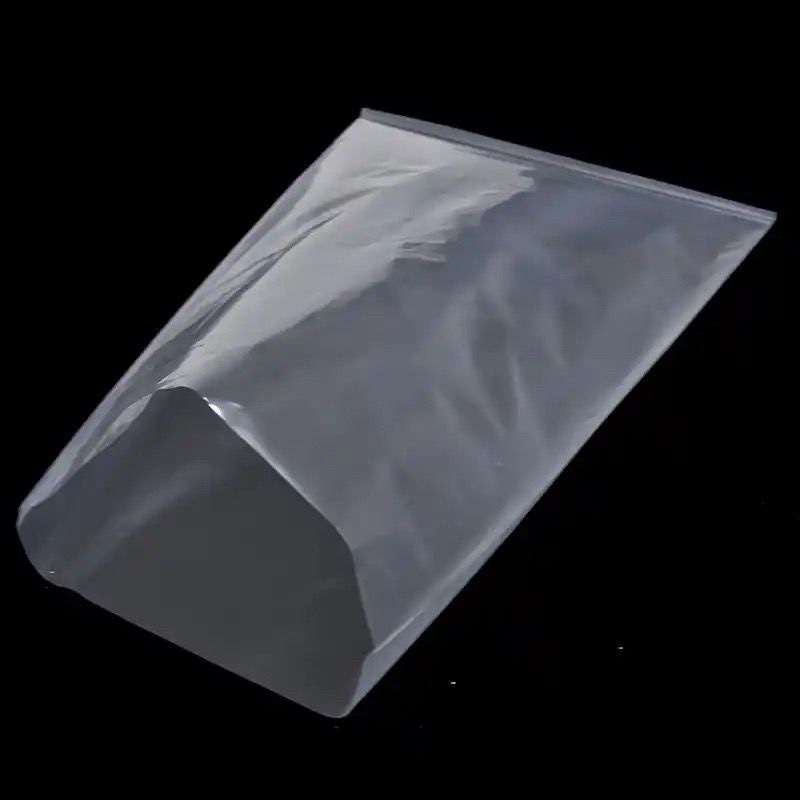
Bottom Seal Poly Bags
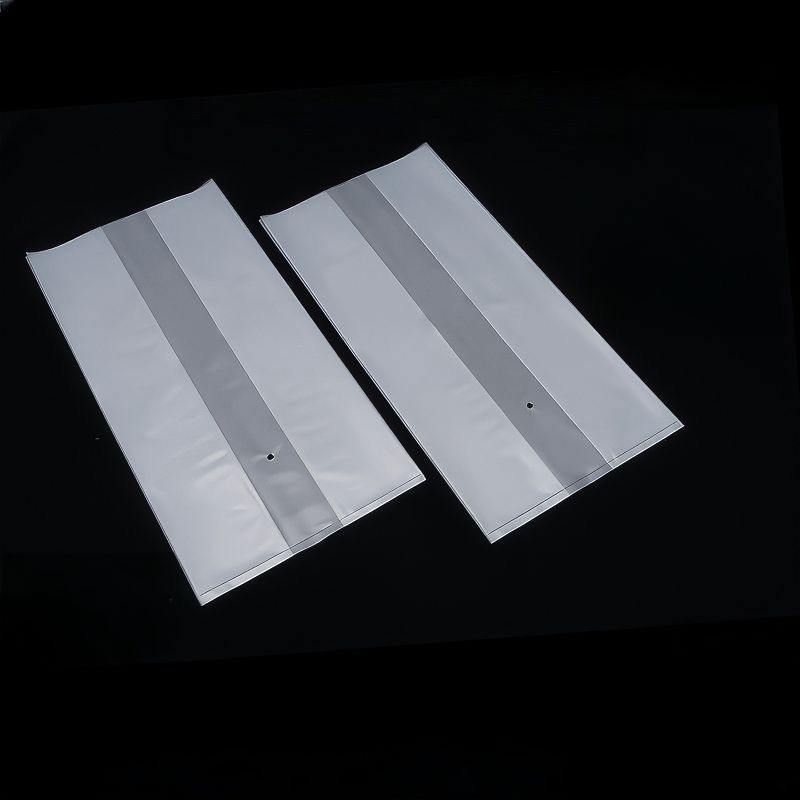
Seamless tubular sides with one straight cross-bottom heat weld and an open top mouth.
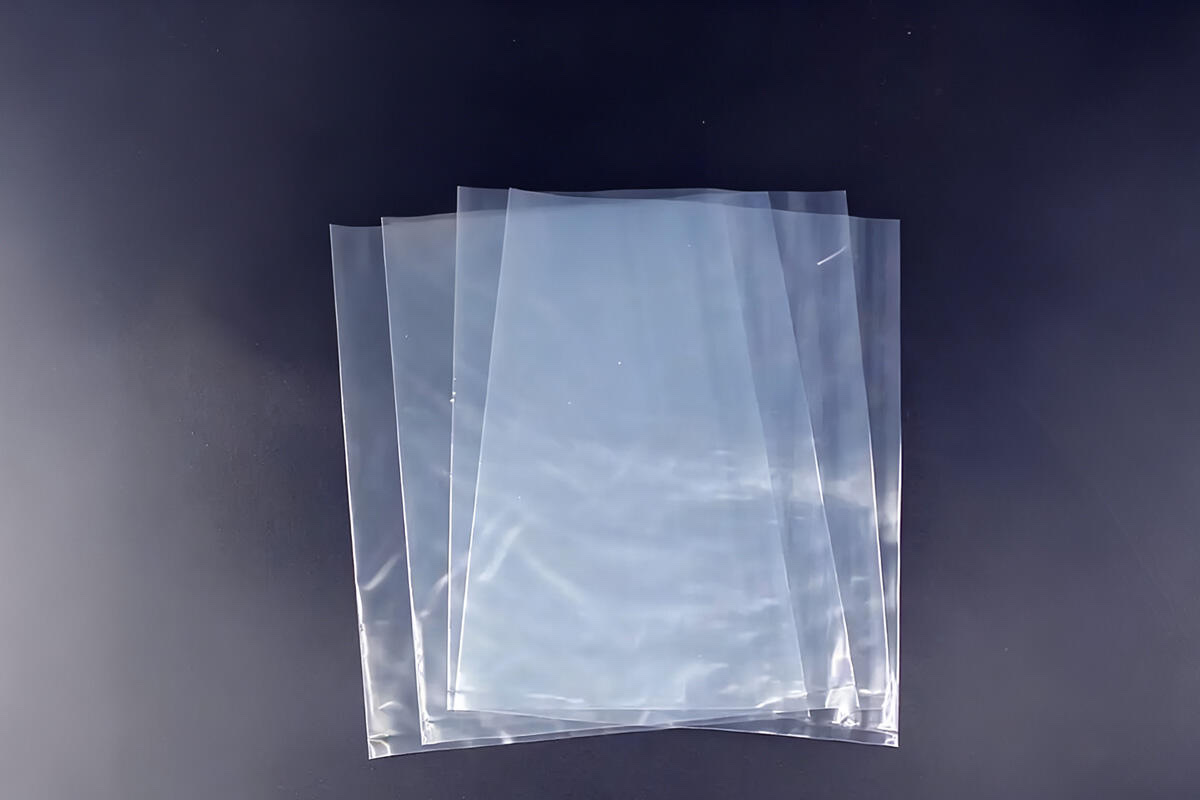
Polyethylene bags (commonly called poly bags, PE bags, or polythene bags) are converted in distinct seam, gusset, and closure constructions for commercial shipping, parts protection, apparel packaging, and industrial storage. Compare our six dedicated bag constructions and three specialized format modules below.
A 'flat poly bag' description alone does not define whether the seam is at the bottom or along the sides. Size, film tint, and thickness options are reviewed per bag construction rather than split into separate size pages.
Selecting the right polyethylene bag starts with seam geometry and how the bag opens at the packing station. Browse our six full specification pages below, or jump directly to the three additional original catalog modules (Poly with Lip, Water Tight, and Linear Tear bags) maintained on this page.
Seamless tubular sides with one straight cross-bottom heat weld and an open top mouth.
Inward side pleats expand to fit cartons, bulky parts, and bin or gaylord liner profiles.
Folded bottom crease with heat-welded left and right edges for flat merchandise and parts.
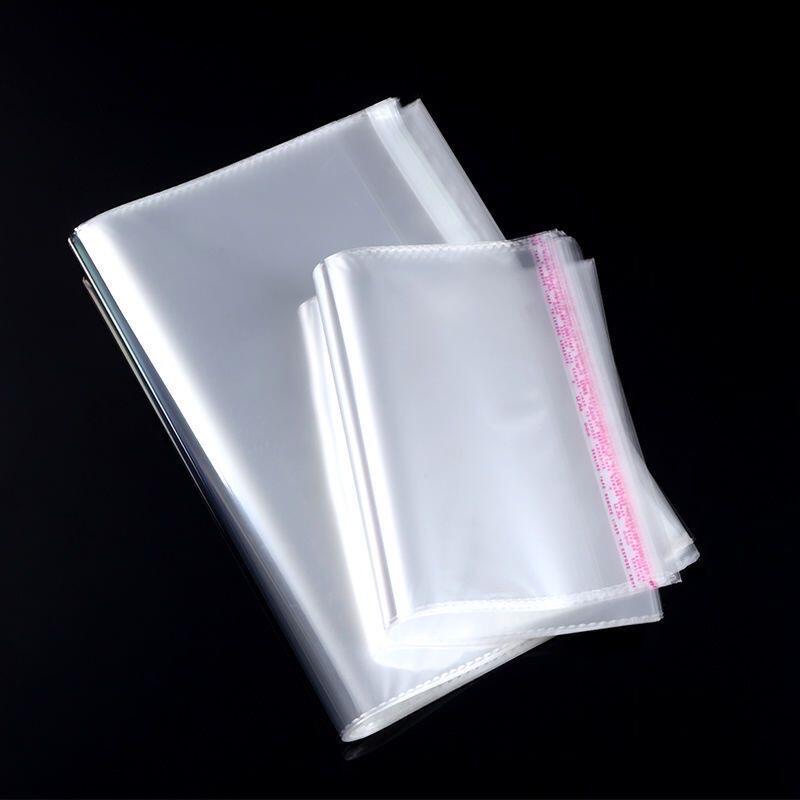
Extended bag flap equipped with a pre-applied adhesive strip and peel-off release liner.
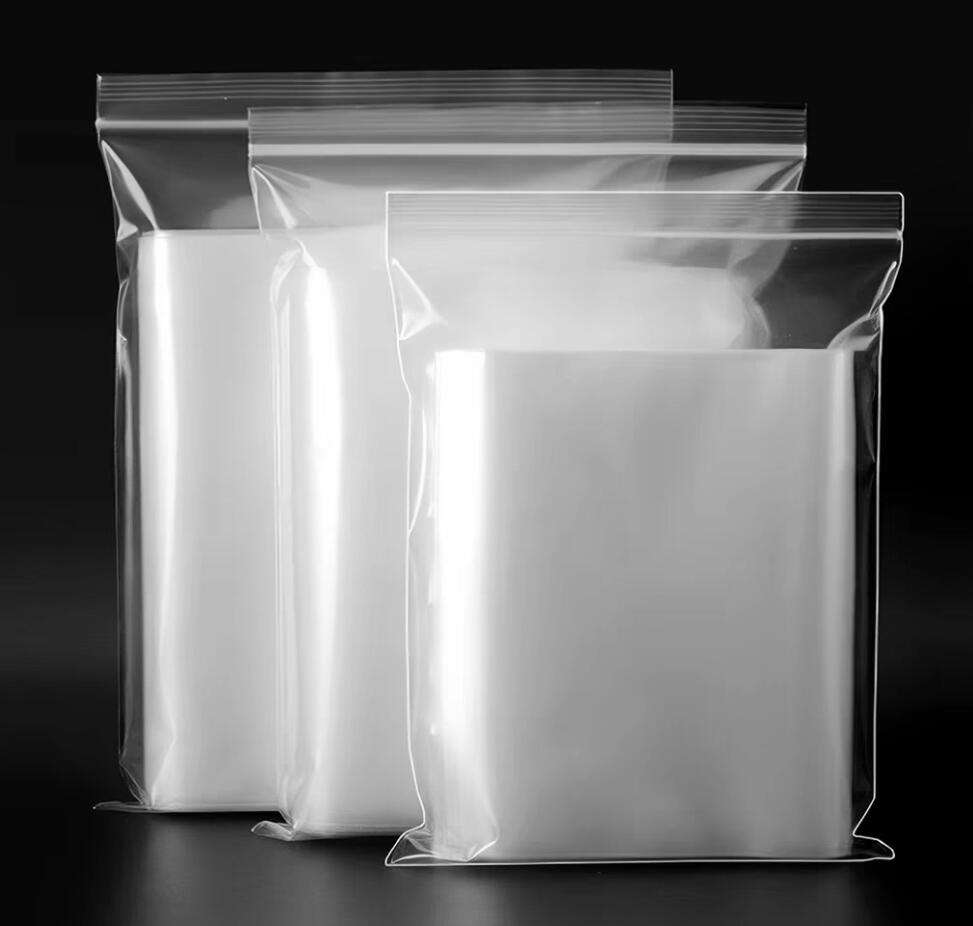
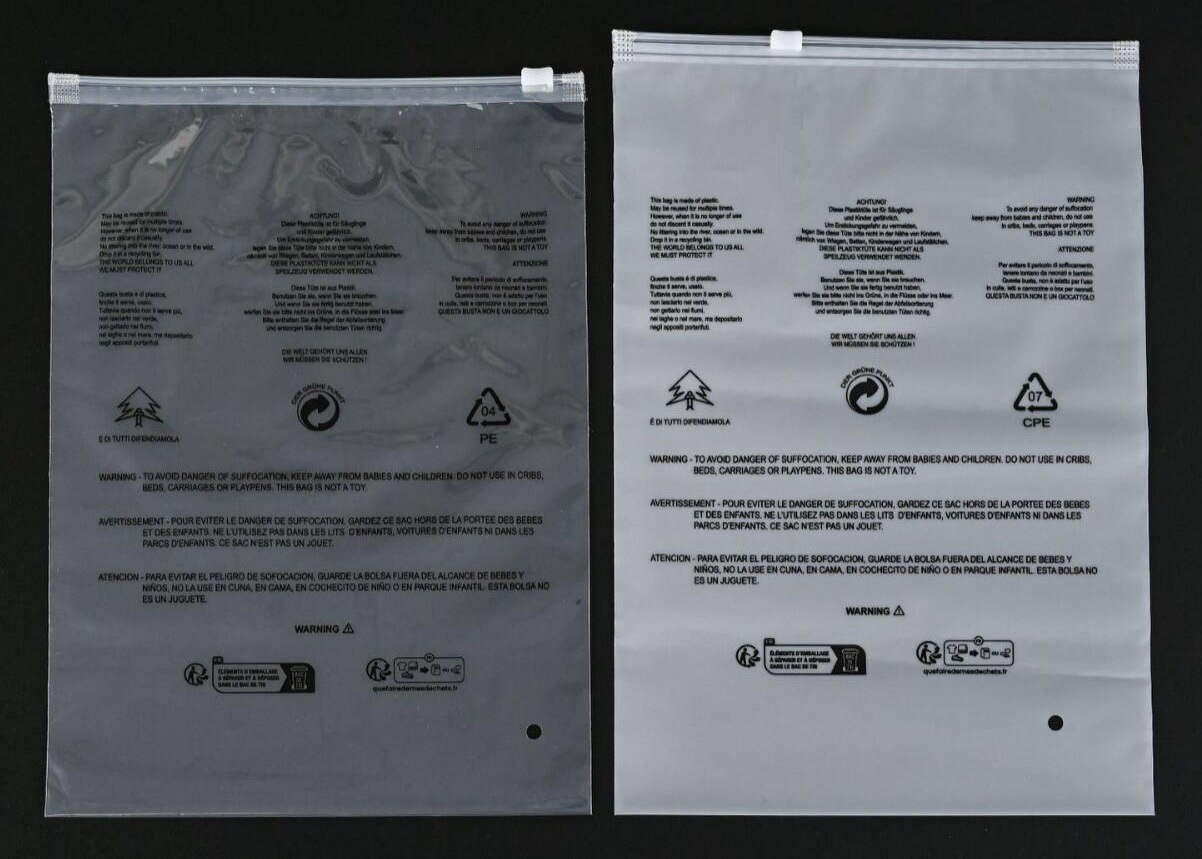
Press-to-close interlocking zipper track for repeated inspection, kitting, and component storage.
Pre-punched circular ventilation holes that release trapped air when bags are compressed or stacked.
Whether you are sourcing small clear poly bags for hardware kits, garment and shirt bags for apparel fulfillment, or large heavy-duty polyethylene bags for industrial components, every made-to-order bag quote relies on uniform dimension conventions rather than off-the-shelf size labels.
See our How to Measure Poly Bags and Poly Bag Thickness, Gauge and Weight Guide for full diagrams.
| Specification Item | How to Record It | Project Review Notes |
|---|---|---|
| Bag Width (W) | Measure straight across the bag opening from left edge to right edge while laid flat. | For side-gusseted bags, record flat face width separately from gusset depth. |
| Bag Length (L) | Measure from the open mouth (or below the zipper track on reclosable bags) to the bottom seal or fold. | State any extended lip or header height separately from usable interior length. |
| Single-Wall Thickness | State caliper of one film layer in mil (1 mil = 0.001 in.) or microns (µm). | Heavier calipers increase puncture resistance; confirmed per bag construction and width. |
| Clarity, Tint & Resin | Indicate clear/transparent film or a custom bag body color reference (such as a Pantone target). | Resin selection (LDPE, LLDPE, HDPE) and any printing requests are verified per bag style before quoting. |
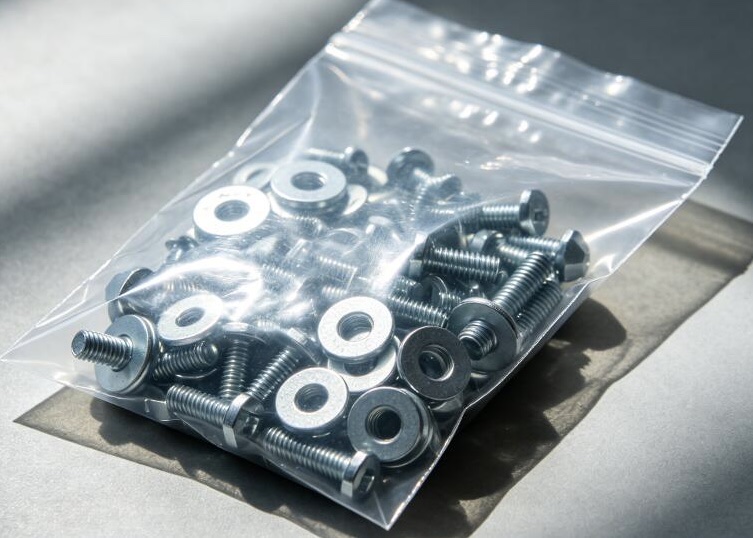
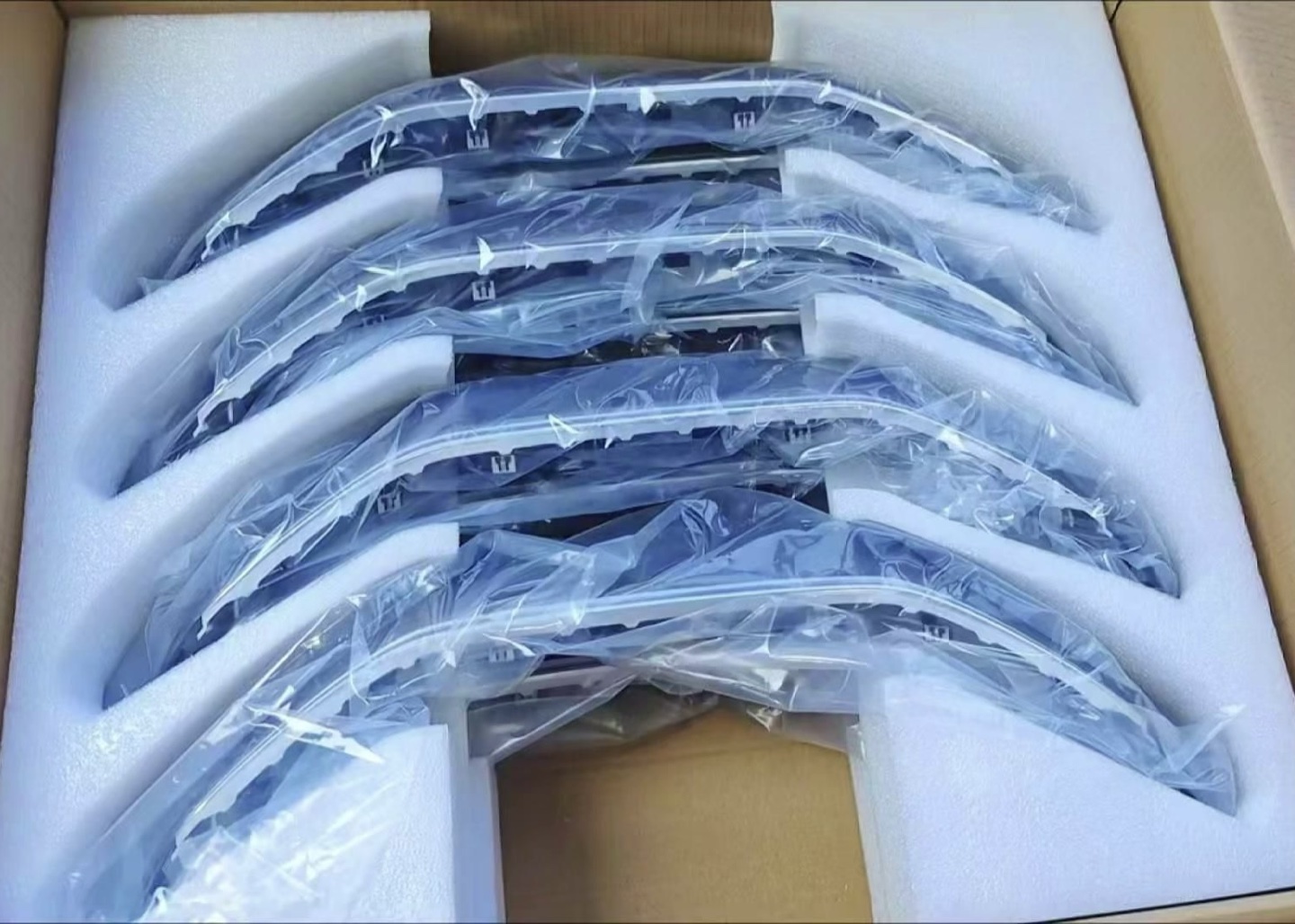
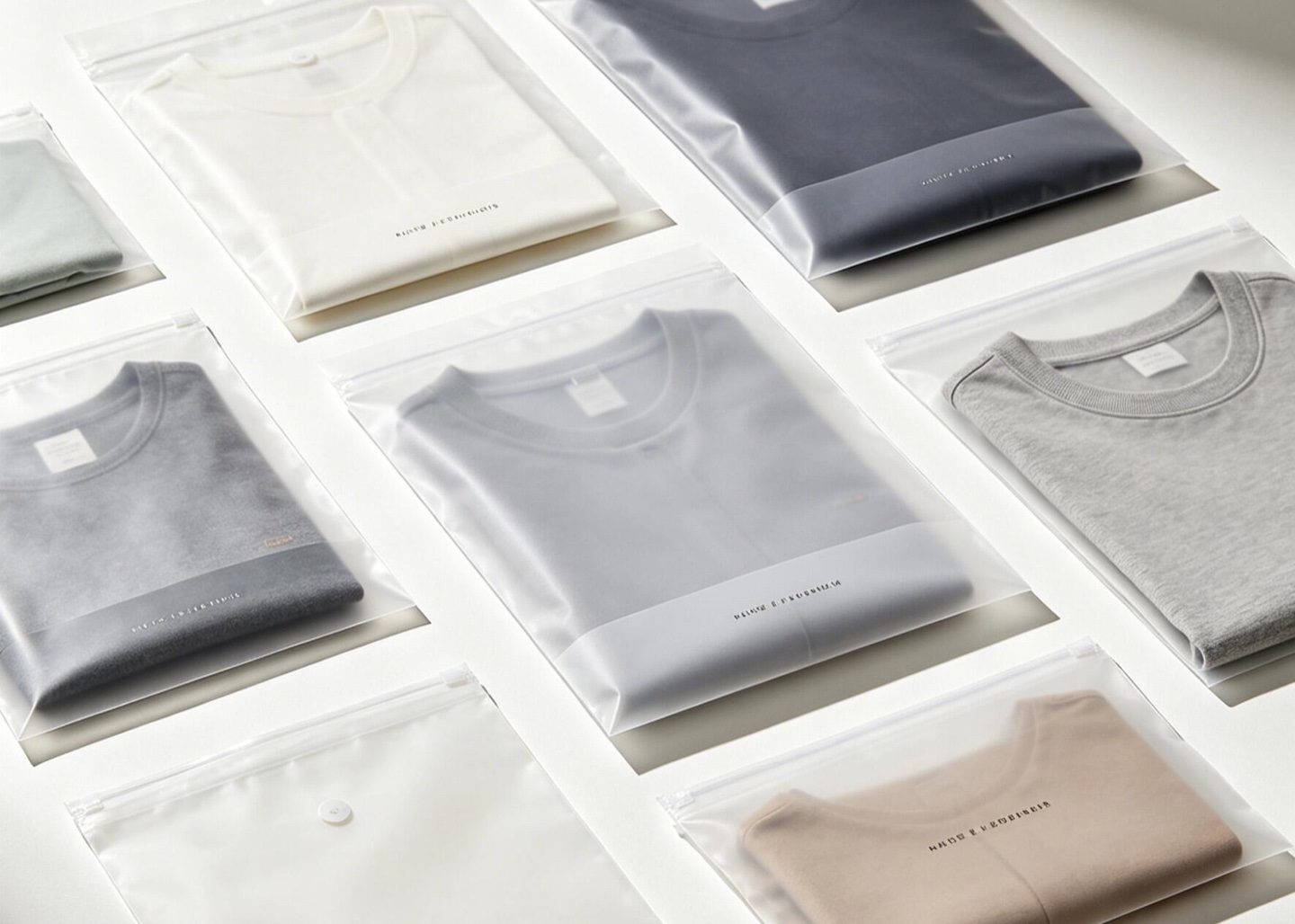
Search terms such as 'sealable plastic bags' or 'self-closing poly bags' can refer to completely different manufacturing setups. Before ordering, confirm which opening and closure mechanism matches your packing line (see Poly Bag Sealing and Closure Guide):
The three formats below are retained from our core product catalog as dedicated specification modules. Because buyers use these terms for distinct structural details, we review drawings, samples, and application requirements directly before confirming production specifications.
Poly with Lip refers to an open-top polyethylene bag built with one panel extending past the opposite lip at the mouth—without a pre-applied adhesive tape strip. An extended lip helps operators catch and open bags faster at manual or semi-automatic stations, or fold the flap over the packed item before outer taping.
If your project requires a peel-and-seal adhesive strip on the flap, select Lip and Tape Poly Bags instead.
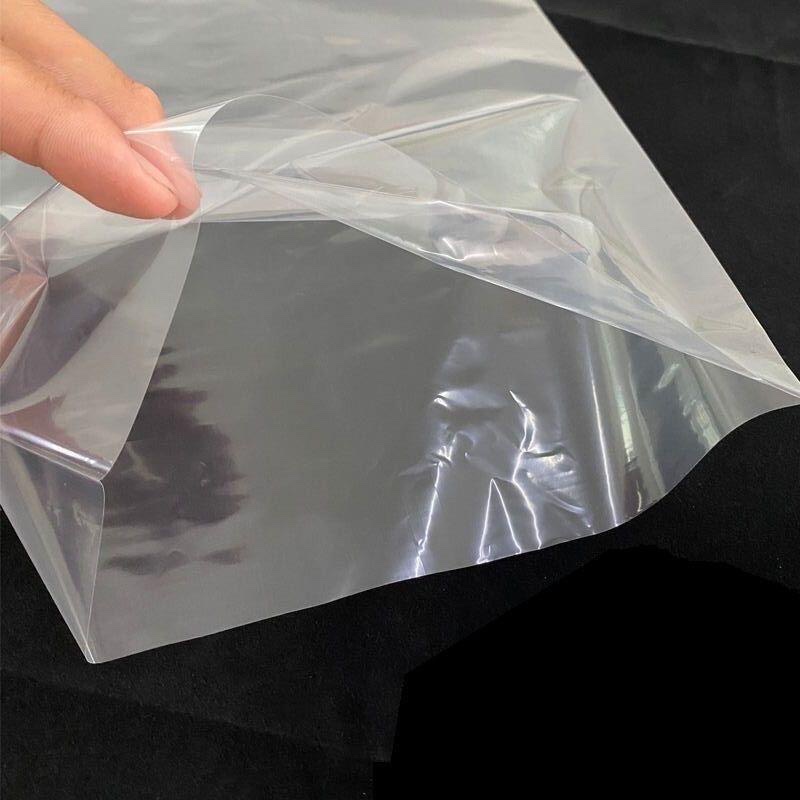
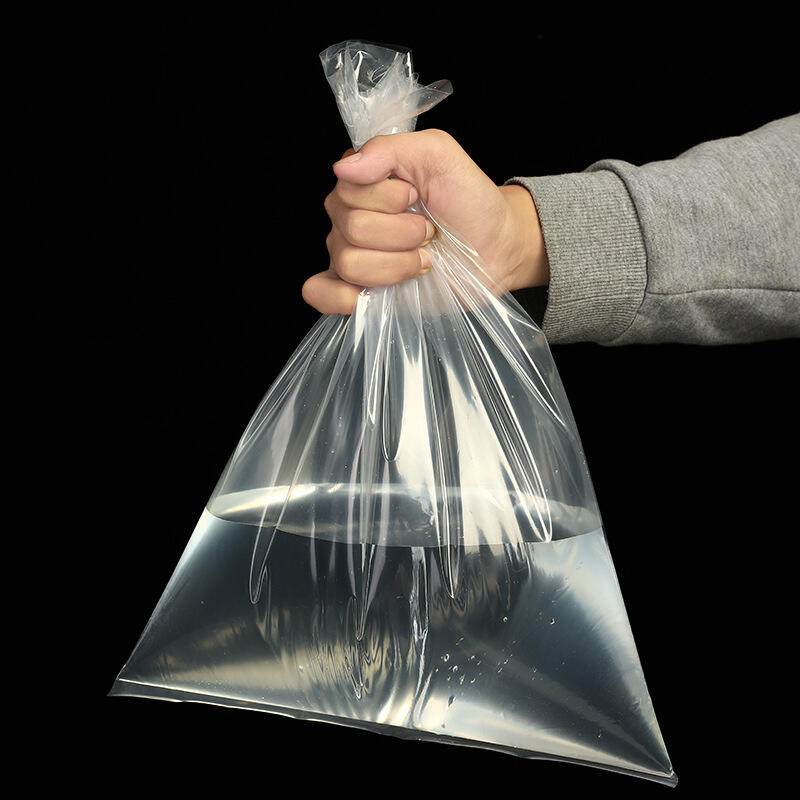
Water Tight is retained as an original catalog category for enquiries involving moisture or liquid containment. Note that the catalog name alone does not constitute a blanket waterproof, leakproof, submersible, or pressure-tight warranty—every heat-sealed or reclosable bag has seam, closure, and puncture limits.
Do not assume a standard press-to-close zipper or single heat weld prevents leakage under compression or transit vibration without testing.
Linear Tear bags cover packaging designs intended to tear open cleanly along a straight path without scissors. In flexible packaging, buyers use 'easy-tear' or 'linear tear' to describe different mechanisms: directional film orientation, edge tear notches, or laser/mechanical perforation lines.
Linear tear openings are completely distinct from air-relief holes on Vented Poly Bags.
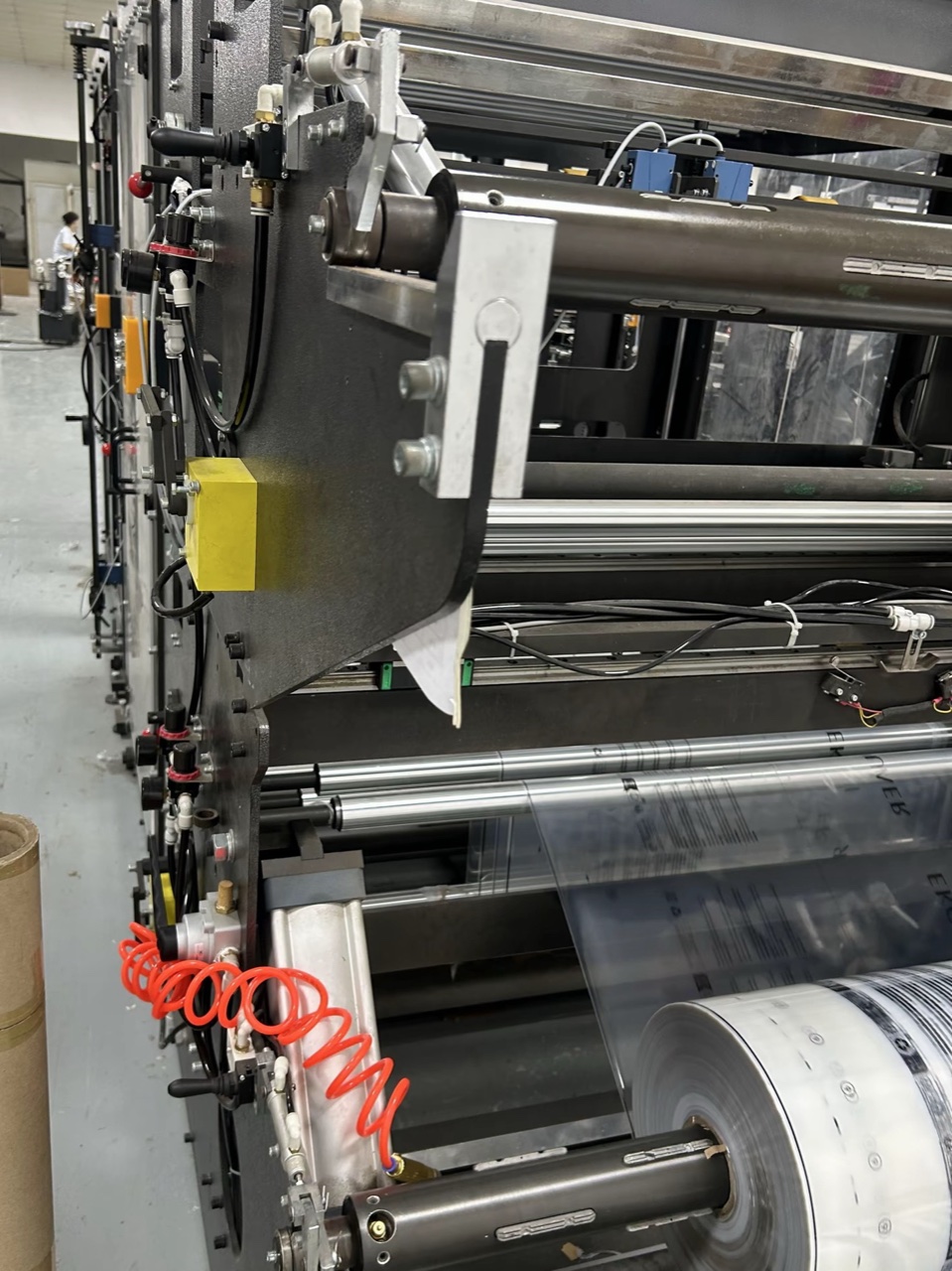
Select Poly Bags or any specific bag construction below to send your target dimensions, single-wall thickness, and estimated order quantity. If you are matching an existing bag or need guidance on what poly bags are best for your item (see What Are Poly Bags?), attach a clear photo or specification drawing.
For a quotation, email our team or start a WhatsApp conversation. Please include the following details where available:
Zanfeng New Materials
Packaging Specification Support