Polyethylene Film
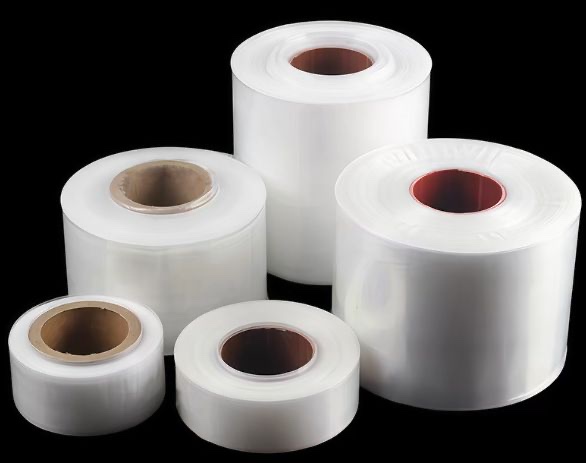
Category overview of made-to-order polyethylene packaging film supplied on rolls across flat sheeting, seamless tubing, pleated tubing, bundling rolls, printed web, and folded formats.
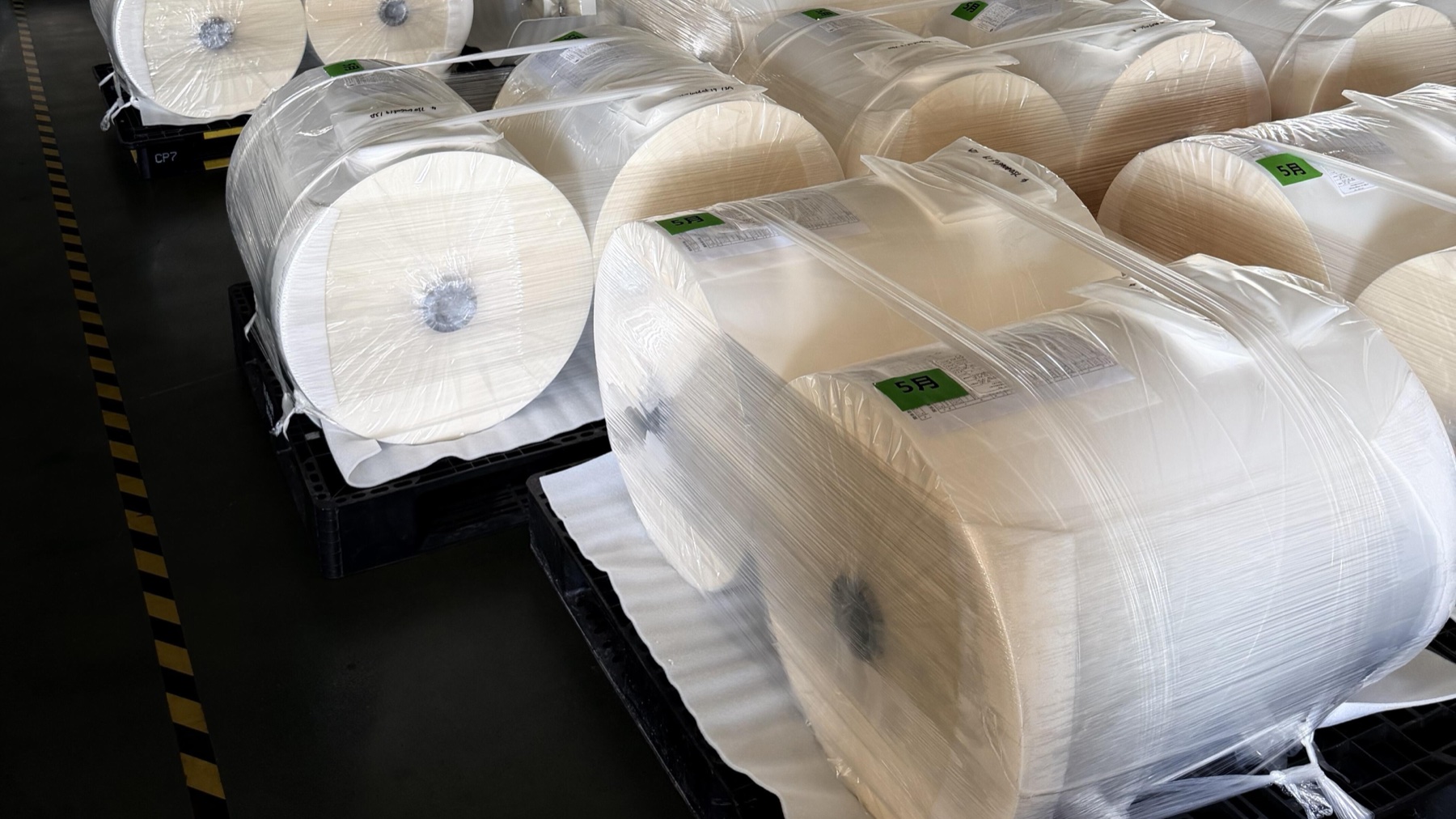
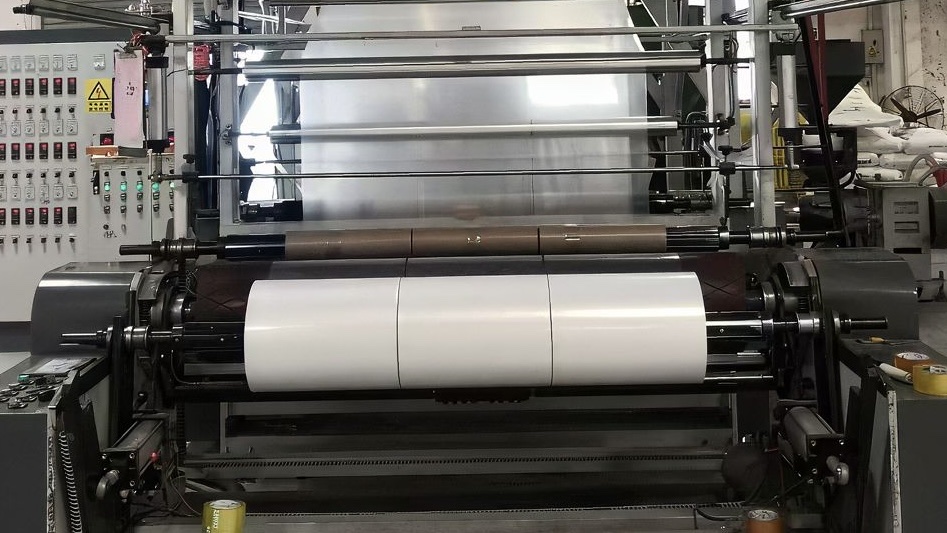
Zanfeng New Materials manufactures made-to-order polyethylene packaging film, tubing, rollstock, and converted bags at our dedicated extrusion and converting facility for commercial, industrial, and distribution buyers. Browse all 17 catalog formats across our two core product families below to match seam layout, roll winding, and mouth closure to your packing line.
All 17 original catalog formats are presented below: 13 dedicated category and product pages plus 4 specialized structural modules (U-Fold, Poly with Lip, Water Tight, and Linear Tear bags) anchored directly within their parent category pages.
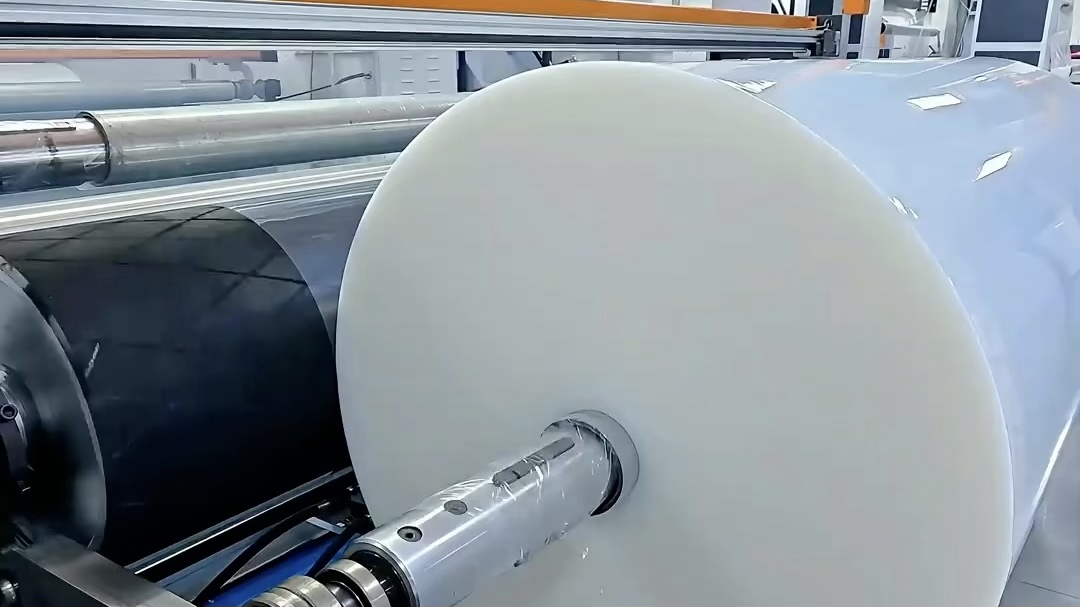
Choose wound Polyethylene Film when your operation feeds automated form-fill-seal machinery, overwraps bundles on rolls, or cuts variable sleeve lengths on demand rather than stocking fixed-length pre-cut bags.
The seven formats below cover our complete roll-fed range, including five dedicated specification pages, the parent film category overview, and the U-Fold specification module.
Category overview of made-to-order polyethylene packaging film supplied on rolls across flat sheeting, seamless tubing, pleated tubing, bundling rolls, printed web, and folded formats.
Roll-wound polyethylene packaging film for unitizing and grouping multi-item loads; wrapping equipment method and single-wall thickness are confirmed per application.
Continuous pleated polyethylene tubing on rolls whose inward side folds expand around boxed, bulky, or irregular profiles before cut-to-length sealing.
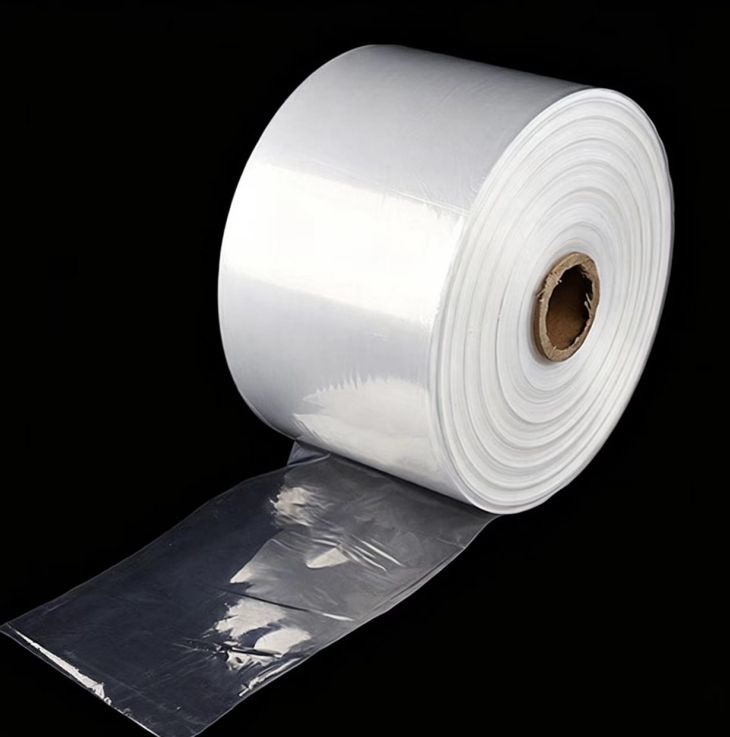
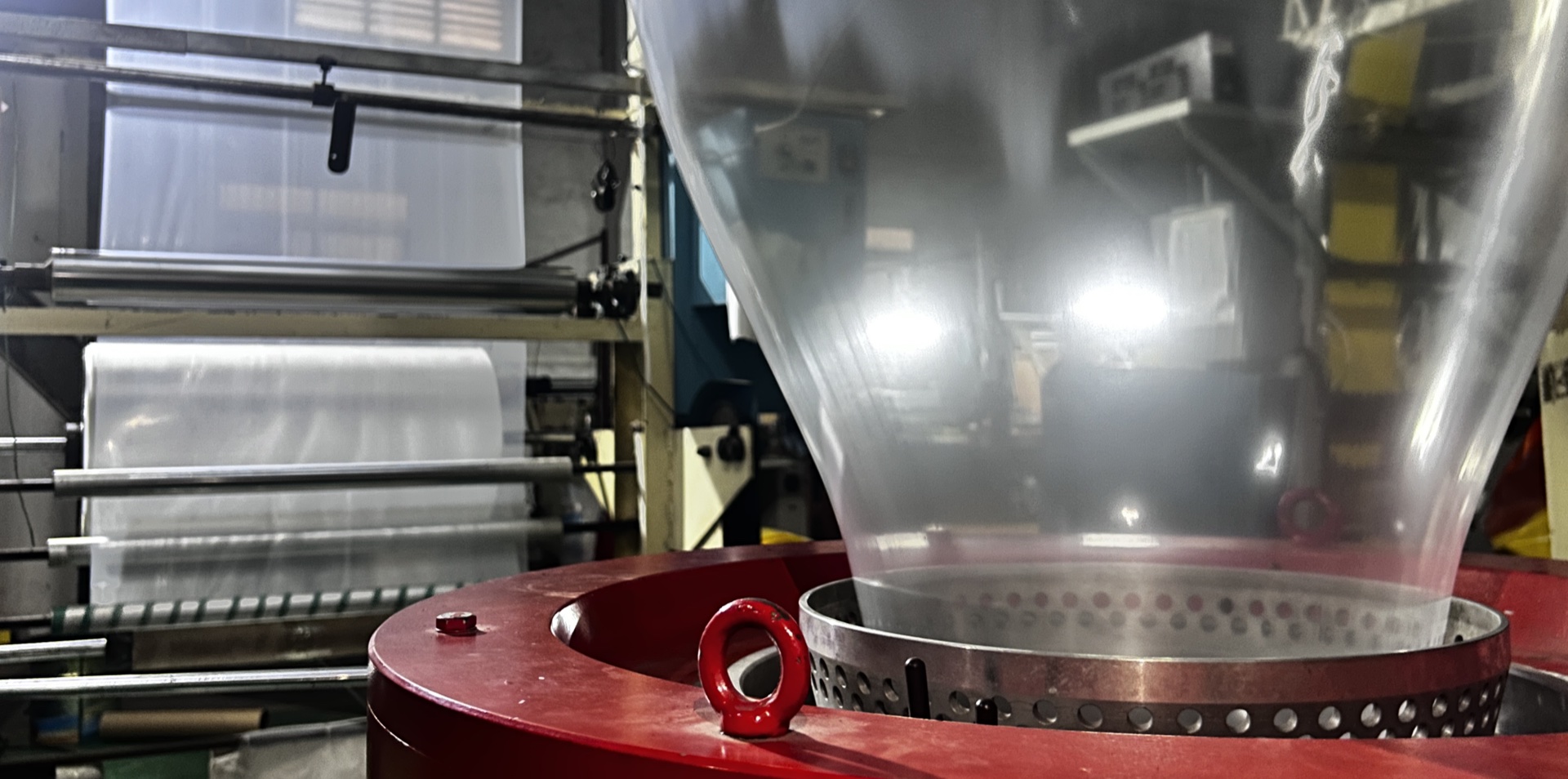
Continuous seamless flat-wound polyethylene film tubing (3.5–130 cm lay-flat width, 16–180 µm single-wall thickness) on paper or plastic cores for custom-length sleeves and inline bag making.
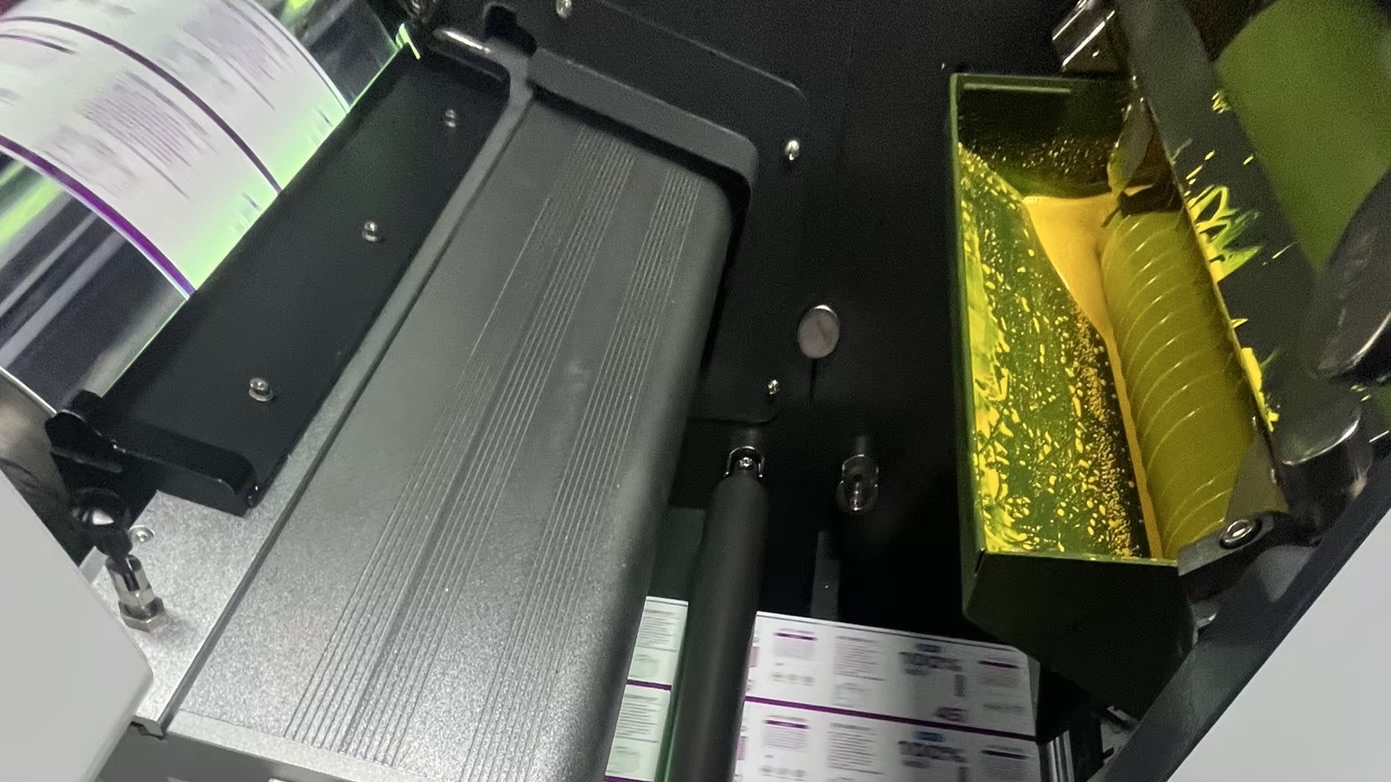
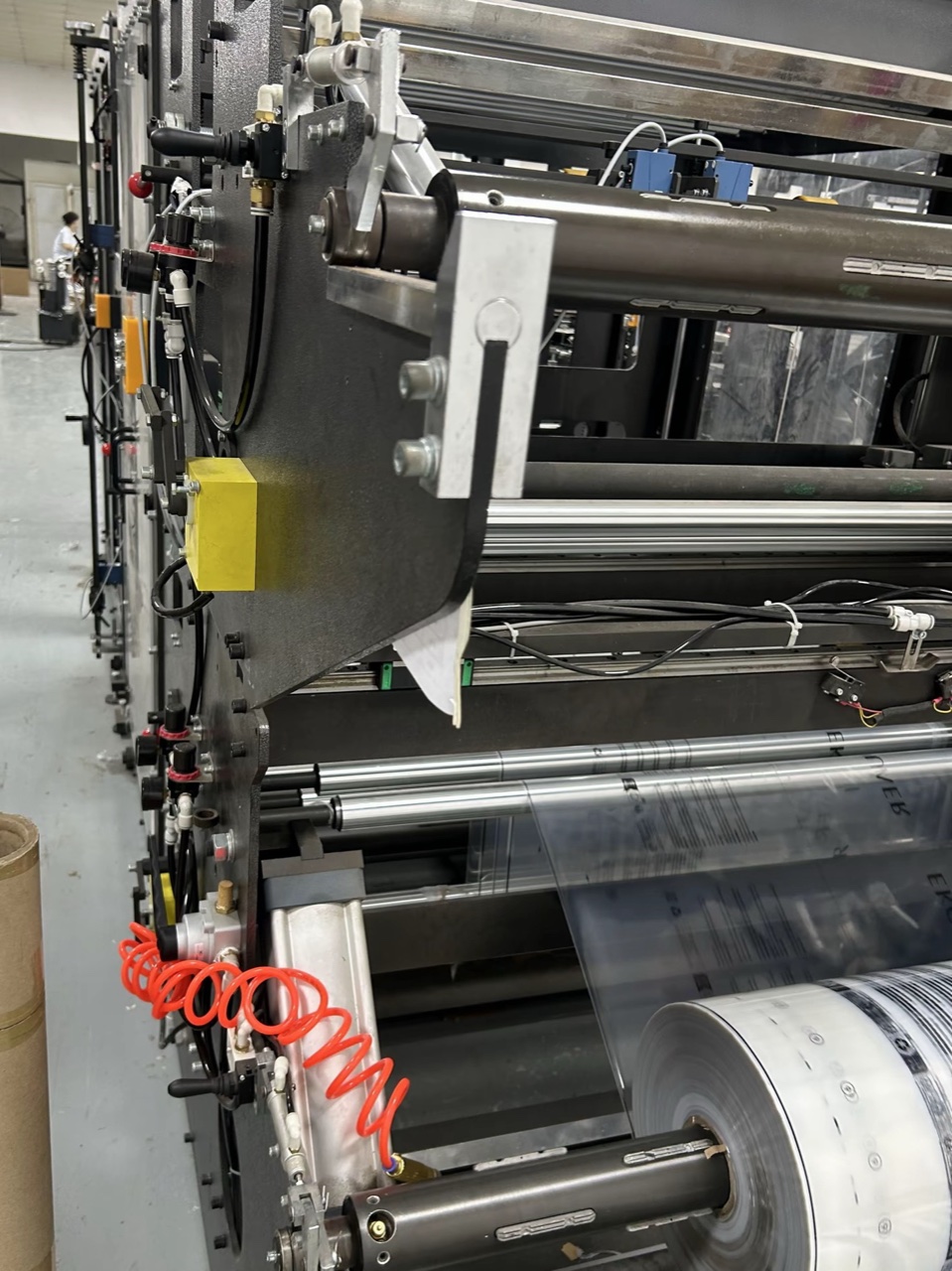
Custom-printed polyethylene packaging film rolls engineered to your machine web width, print repeat length, eye-mark registration, color references, and unwind direction.
Flat polyethylene packaging sheet wound on rolls as a single continuous web (single wound) or two stacked plies wound together (double wound) for wrapping and lining.
Catalog format module on the Polyethylene Film page for folded polyethylene film webs wound on cores; fold geometry, open-edge orientation, and width are confirmed by cross-section drawing.
Choose pre-converted Poly Bags when operators load individual units by hand or on semi-automatic bagging tables and require a defined seam layout, gusset footprint, or integrated closure.
All ten bag items from our catalog are listed below. Each card opens either a full structural specification page or its dedicated module on the Poly Bags category page.
Category overview comparing open-top, gusseted, side-weld, adhesive flap, press-to-close zipper, and vented polyethylene bags alongside three specialized format modules.
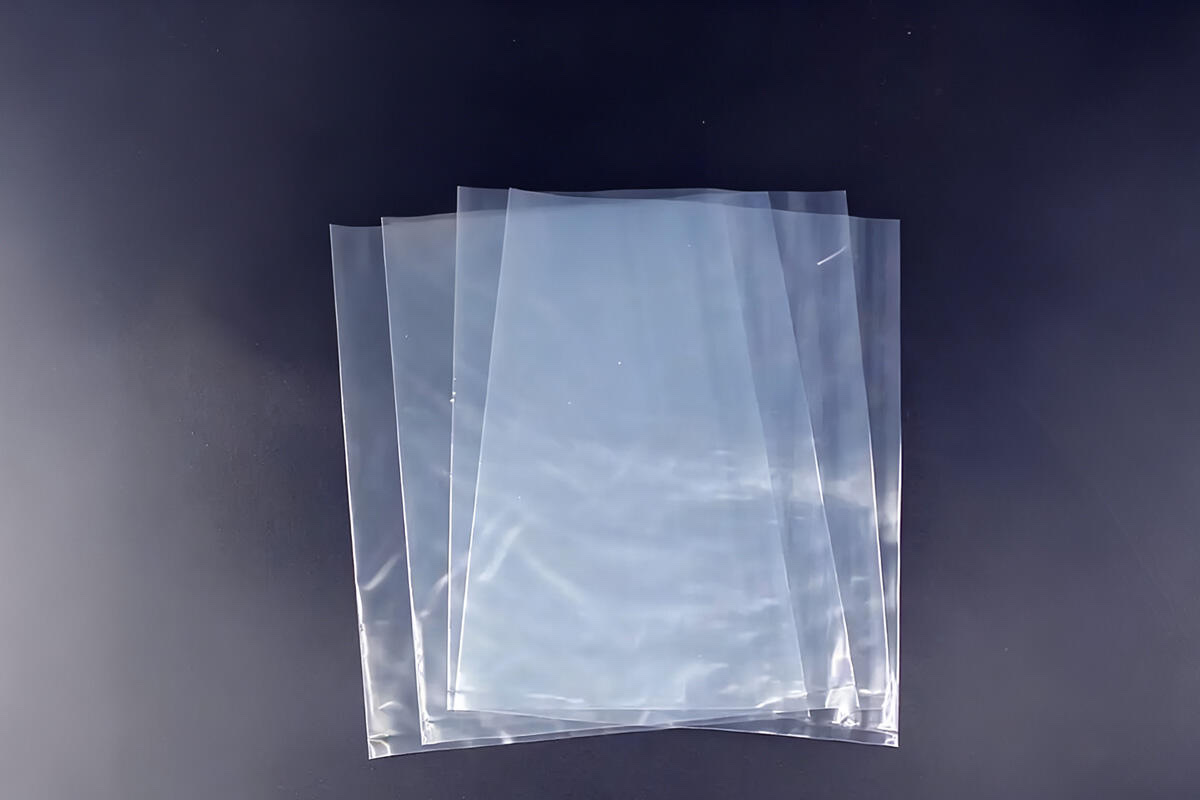
Open-top tubular polyethylene bags (3.5–105 cm width, 2.5–300 cm length, 20–180 µm single-wall thickness) built with seamless folded sides and a single straight cross-bottom weld.
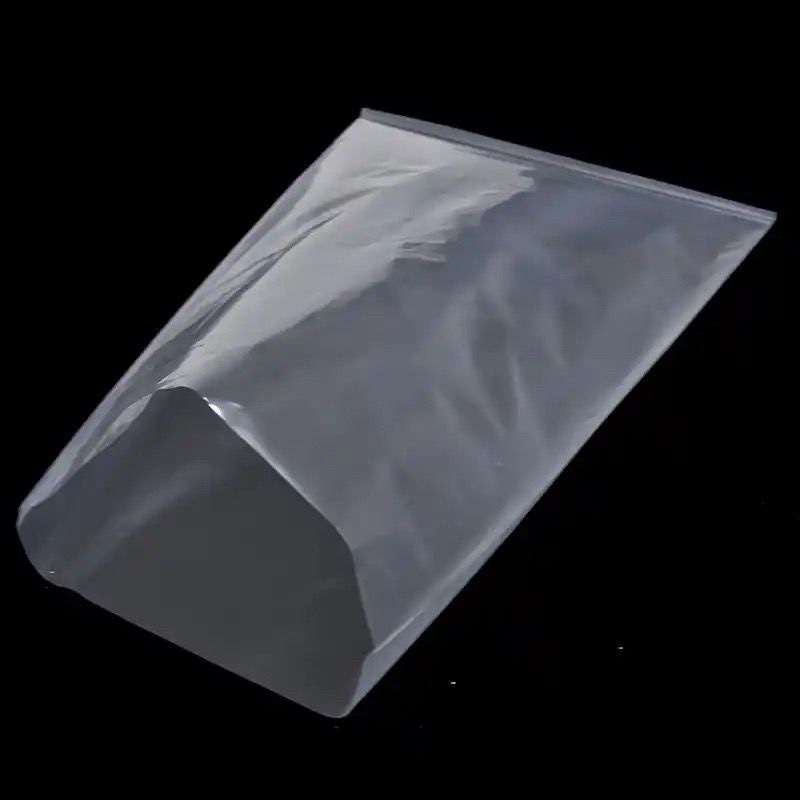
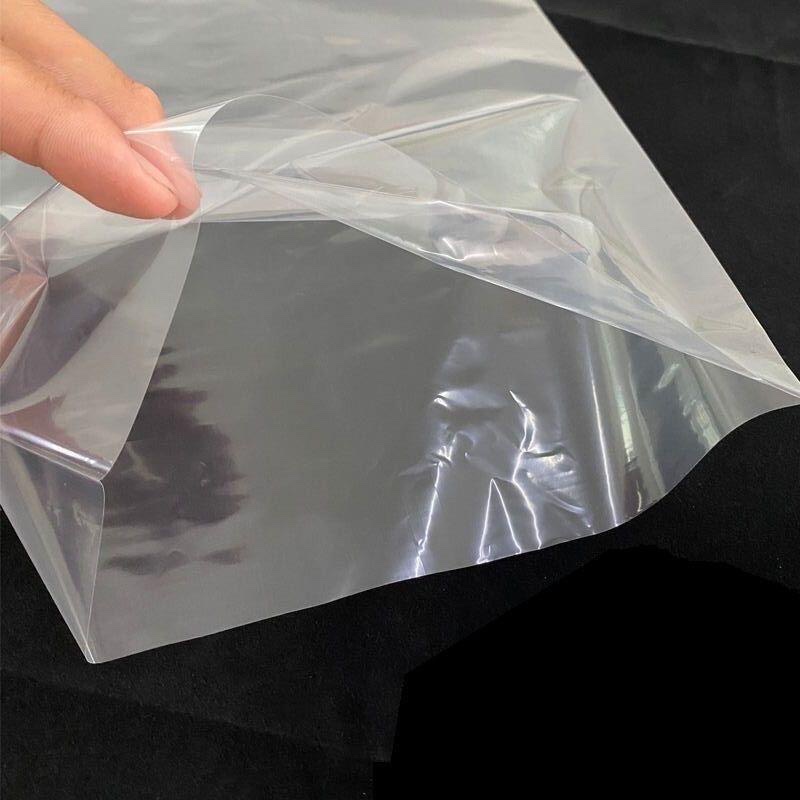
Catalog format module on the Poly Bags page for open-mouth bags with an extended plain lip on one panel—without pre-applied tape—for rapid manual opening or fold-over wrapping.
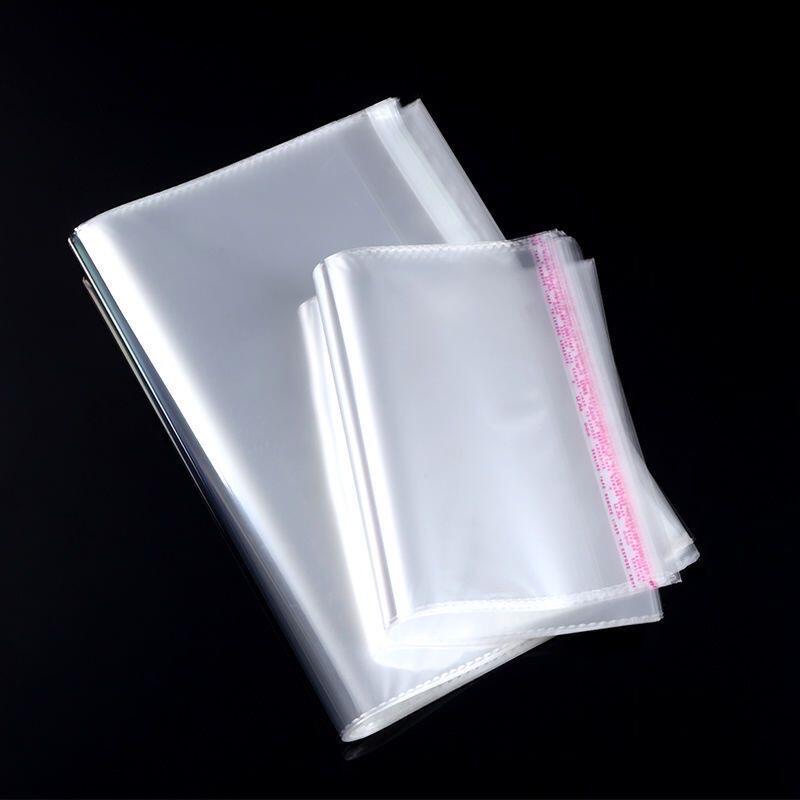
Polyethylene fulfillment and shipping bags featuring an extended top flap with a pre-applied adhesive strip and peel-off release liner for fast hand sealing without heat equipment.
Expandable pleated polyethylene bags (3.5–105 cm flat face width, 20–180 µm single-wall thickness, made-to-order gusset depth) sized for cartons, bulky parts, and bin liners.
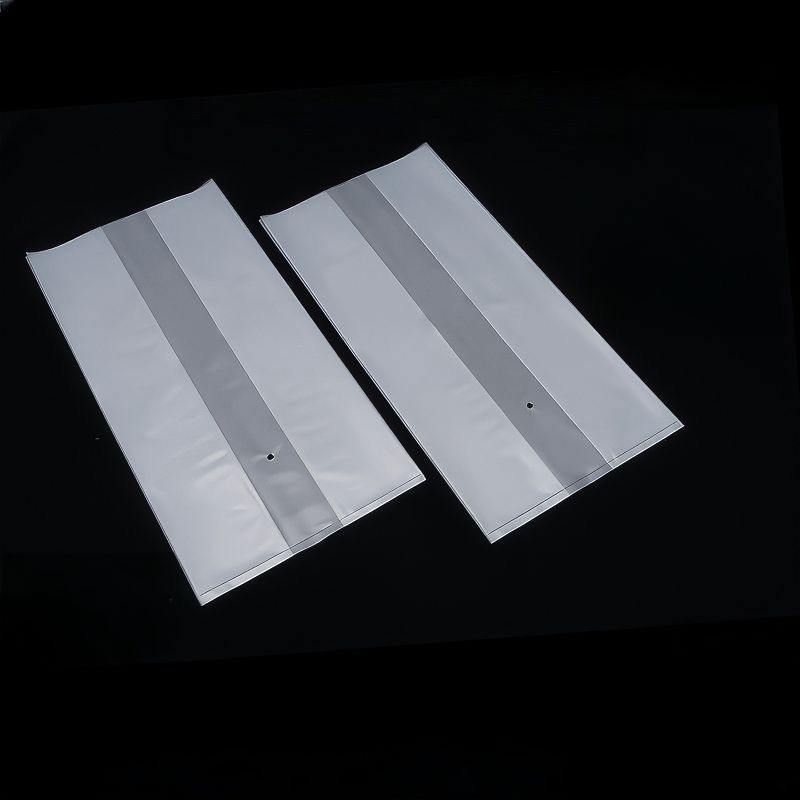
Flat polyethylene bags converted with a smooth bottom fold crease and hot-knife heat welds down the left and right edges for apparel, literature, and flat hardware kits.
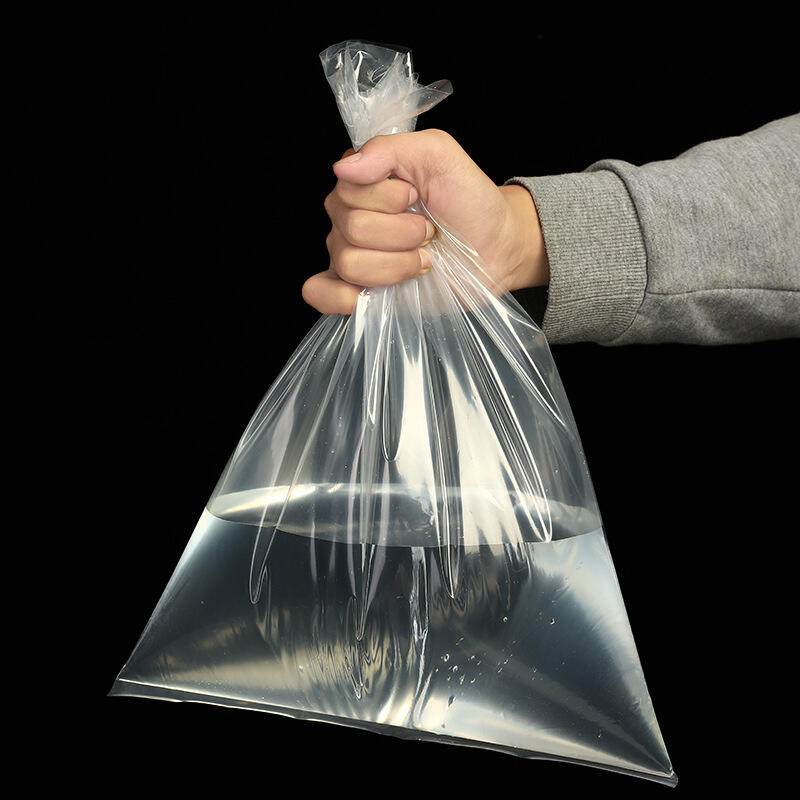
Catalog format module on the Poly Bags page for moisture- or liquid-containment enquiries; seal width, post-fill closure method, caliper, and leak-test criteria are reviewed per project.
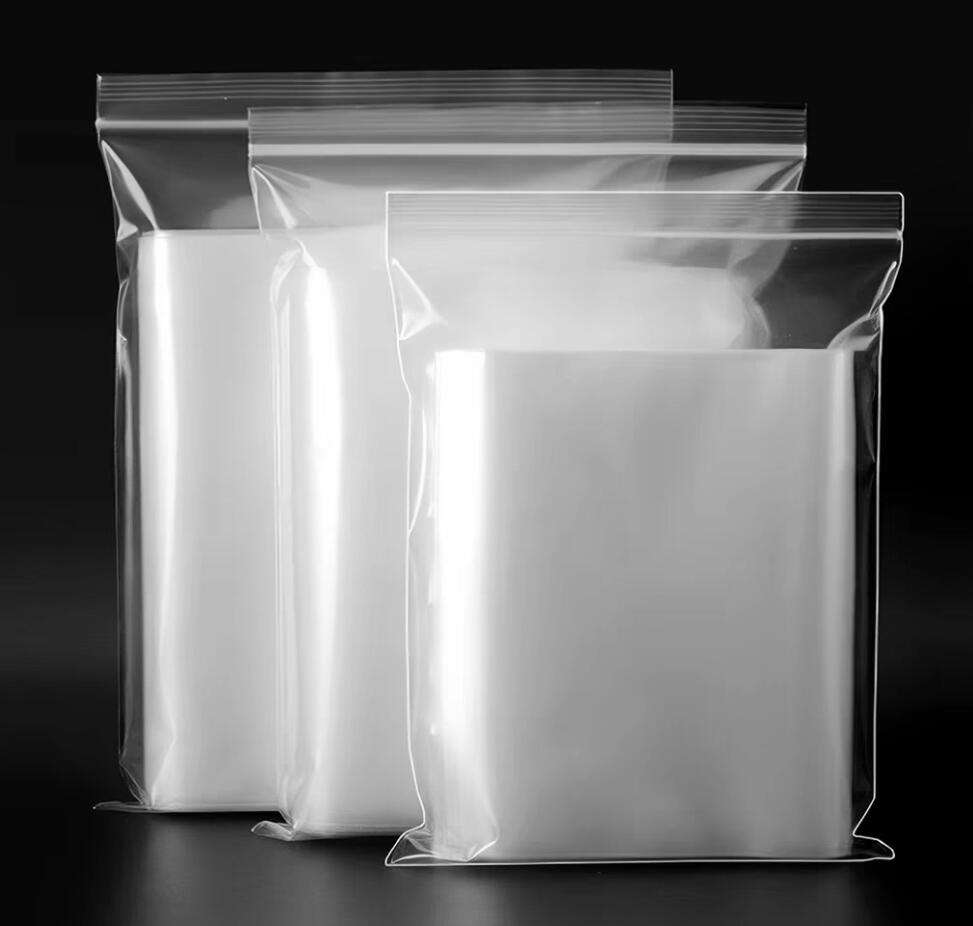
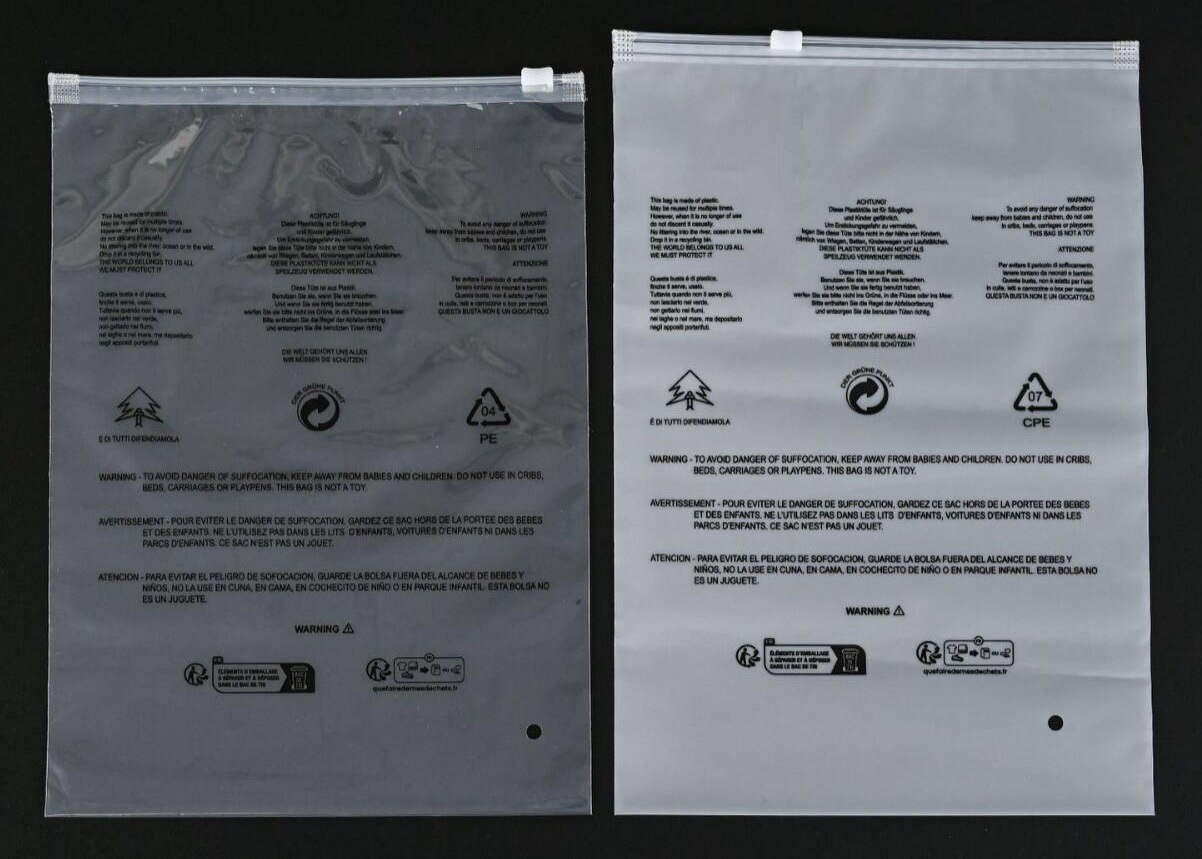
Polyethylene storage and kitting bags equipped with an integral press-to-close interlocking zipper track, specified by flat width and usable interior length below the zipper.
Polyethylene bags punched with circular air-relief or drainage holes at specified coordinates so trapped air escapes cleanly during compression or pallet stacking.
Catalog format module on the Poly Bags page for straight-tear opening designs; directional film tear, edge tear notches, or mechanical perforation lines are confirmed against a sample or drawing.
In packaging procurement, minor spelling differences—such as 'polybag' versus 'poly bag' or 'layflat' versus 'lay-flat'—refer to the same product, so you can identify the exact construction regardless of regional naming variations. By contrast, seam placement, fold geometry, and mouth construction directly affect load capacity and line compatibility.
Use the structural comparison below alongside How to Measure Poly Bags and Poly Bag Sealing and Closure Guide to verify which format matches your drawing before requesting pricing.
| Structural Decision | Format Option A | Format Option B | What Distinguishes Them |
|---|---|---|---|
| Roll Tubing vs. Flat Sheet | Lay Flat Poly Tubing & Gusseted Poly Tubing | Single and Double Wound Poly Sheeting & U-Fold | Tubing forms a continuous enclosed sleeve cut and heat-sealed to length; sheeting and U-fold supply open or center-creased webs for wrapping and equipment feeding. |
| Flat Bag Seam Layout | Bottom Seal Poly Bags | Side Weld Poly Bags | Bottom seal bags keep unbroken tubular side creases with one cross-bottom weld; side weld bags fold the bottom sheet and weld both left and right edges. |
| Flat Profile vs. Boxed Footprint | Bottom Seal or Side Weld | Side Gusseted Poly Bags | Side pleats fold inward when flat and expand outward to square off around cartons, trays, multi-pack bundles, and bin interiors. |
| Extended Flap vs. Reclosable Mouth | Poly with Lip & Lip and Tape Poly Bags | Reclosable Poly Bags | A plain lip aids manual opening, lip-and-tape adds a release-liner adhesive strip, and reclosable bags use an interlocking press-to-close track below the top lip. |
| Air Evacuation vs. Easy Opening | Vented Poly Bags | Linear Tear bags & Water Tight | Vented bags punch discrete holes to release trapped air; linear tear addresses straight-line opening, while containment enquiries require seal and test review. |
Every card in this directory leads directly to its specification checklist or category module, where you can check measurement rules before submitting an RFQ. Because all orders are manufactured to project specifications rather than pulled from fixed stock lists, confirming dimensions, single-wall caliper, and closure details upfront keeps quotations accurate.
When your team is ready, submit your project details on Request a Quote or review our technical Packaging Guides for dimension and gauge conversion references.
Zanfeng New Materials
Packaging Specification Support