What Are Poly Bags?
Learn what polyethylene bags are, how six core industrial bag constructions differ, and which specification details to verify before ordering.
Use these practical reference guides to compare polyethylene resin grades, measure bag dimensions and gussets accurately, convert between mil and micron film thickness, and prepare complete rollstock or bag specifications before requesting a manufacturing quote.
All 16 published packaging guides are organized into four topic groups on this directory page. General industry concepts explained in a guide (such as slider closures, polypropylene comparisons, or printing methods) help clarify terminology and do not imply off-the-shelf availability without project confirmation.
Start here if you are sourcing converted Poly Bags and need to verify how blown film conversion, resin properties, seam placement, closure styles, and flat dimension rules translate into an unmistakable purchase specification.
Learn what polyethylene bags are, how six core industrial bag constructions differ, and which specification details to verify before ordering.
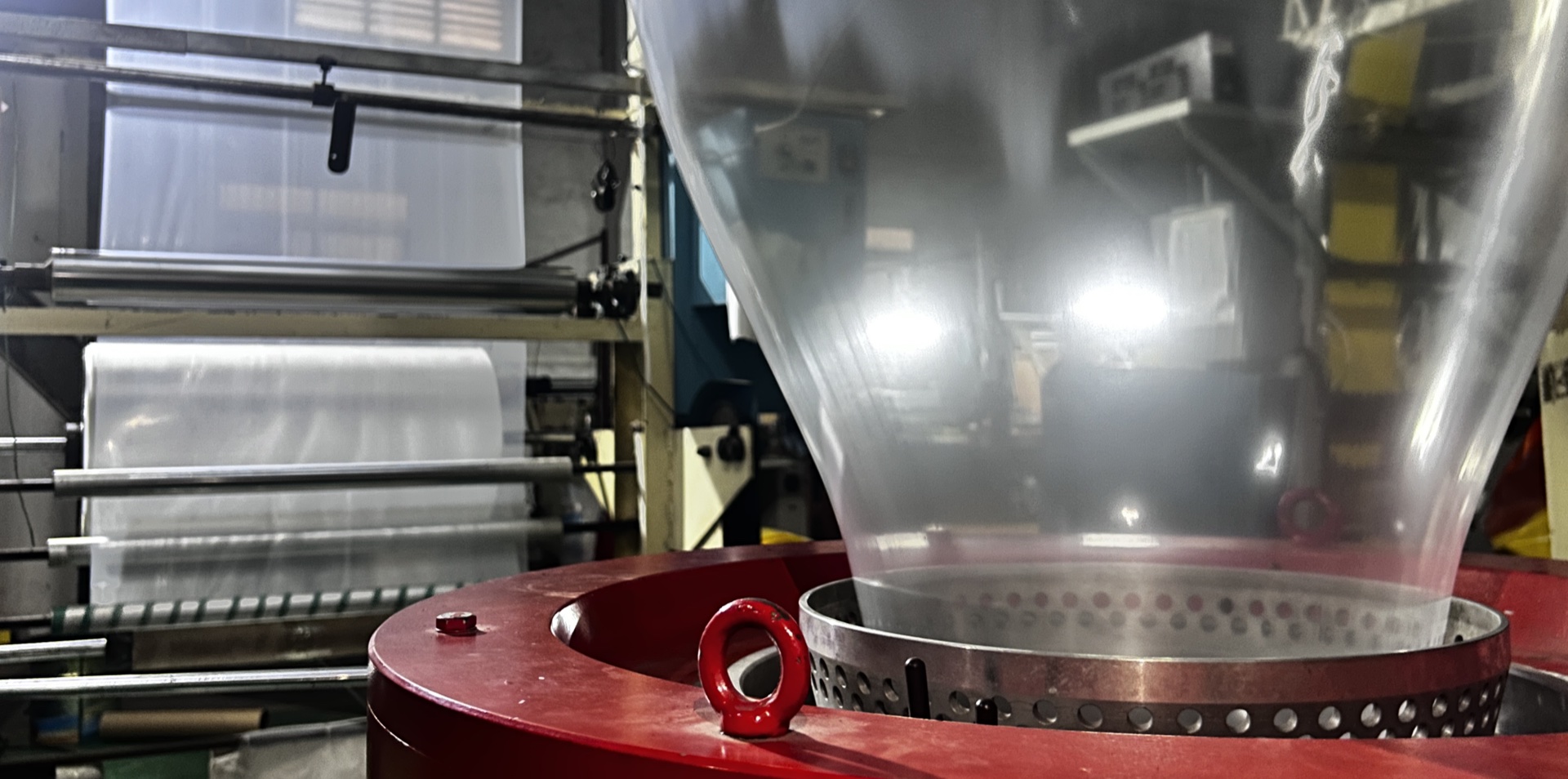
Follow the manufacturing stages from resin extrusion and blown film to printing, slitting, and heat sealing, and see how each stage shapes bag tolerances.
Record flat bag width, usable length, side gussets, adhesive flaps, and space below a zipper accurately instead of relying on nominal volume labels.
Understand how side gussets expand for boxed or bulky items, how side pleats differ from bottom gussets, and how to calculate flat width and length allowances.
When specifying wound Polyethylene Film, buyers must separate resin density (LDPE, LLDPE, HDPE) from roll geometry (flat sheet, folded web, seamless tube, or machine rollstock). Use these seven guides to align material terminology and roll winding details with your packaging equipment.
Understand polyethylene thermoplastic film in commercial packaging, separate resin chemistry from bag or roll geometry, and learn what to confirm per grade.
Compare polyethylene (PE) and polypropylene (PP) optical clarity, stiffness, and heat-sealing traits so material selection is never confused with seam style.
Review low-density, high-density, and linear low-density polyethylene film behavior—including puncture resistance, drape, tensile feel, and blend considerations.
Distinguish flexible lay-flat packaging tubing from rigid plastic pipe, and learn how lay-flat width, diameter equivalence, and roll core details are specified.
Compare stretch tension wrapping against heat-tunnel shrink film, and see why a unitizing or bundling enquiry requires confirming equipment and film recovery needs.
Compare single-wound sheeting, double-wound sheeting, seamless tubing, gusseted tubing, and folded film webs so roll winding terms are clear on your drawing.
Learn how unprinted and printed rollstock run on automated packaging lines, and prepare web width, repeat length, core ID, and unwind direction specs.
Closure mechanisms, punched hole layouts, and artwork preparation frequently cause ambiguity on packaging drawings. Note that the three articles below provide general technical reference knowledge: discussing industry closure variants or print preparation checklists helps you write an accurate brief, while actual production options (such as Printed Rollstock versus custom requests on finished bags) are always reviewed and confirmed per specification.
Compare post-fill impulse heat seals, extended lip-and-tape adhesive strips, press-to-close zipper tracks, and specialty closures that require sample verification.
Separate punched air-relief ventilation holes from tear-off roll or tear-line perforations so hole diameter, spacing, and tear paths are never mixed up.
Prepare vector artwork, color targets, print repeat dimensions, eye-mark coordinates, and roll unwind charts before submitting a printed film specification.
Because made-to-order polyethylene bags and film rolls are extruded and converted to project dimensions, meaningful pricing depends on film weight, caliper, setup complexity, and order volume rather than arbitrary stock unit price tables. Review the two specification guides below, then send your requirements through Request a Quote or browse Packaging Products to select a format.
Convert accurately between mil, micron (µm), and gauge, measure single-wall caliper properly, and understand how resin density determines bag or roll weight.
See how dimensions, single-wall thickness, seam construction, print setup, and run quantity govern custom manufacturing pricing—and how to submit a complete RFQ.
Zanfeng New Materials
Packaging Specification Support