Polyethylene, PE and Polythene
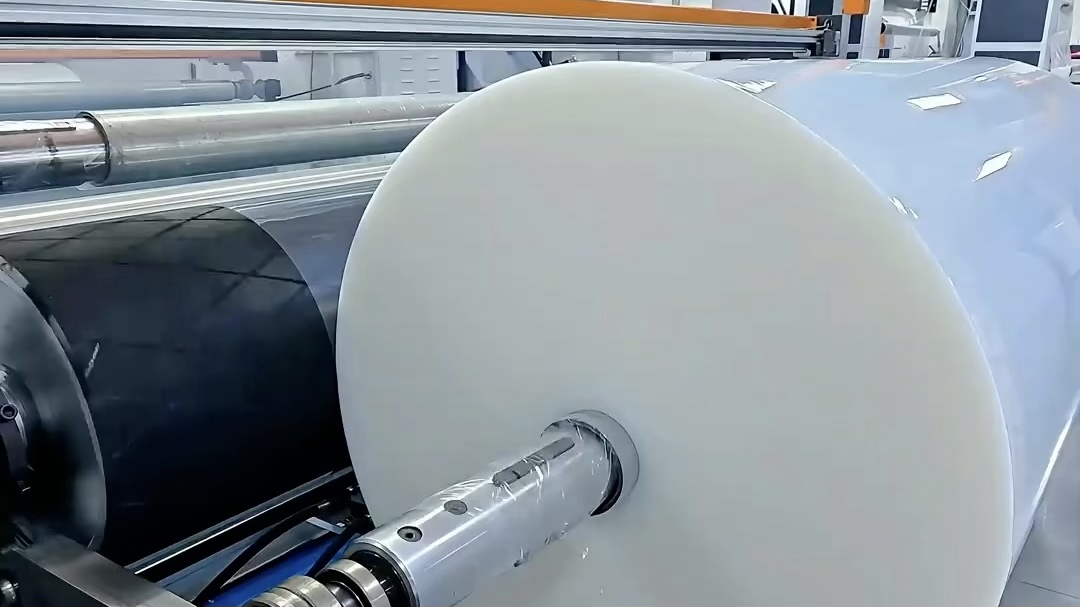
In packaging specifications, "polyethylene," "PE," and "polythene" refer to the exact same thermoplastic polyolefin resin family. Unpigmented PE film ranges from clear to translucent milky white depending on polymer crystallinity and film thickness, and can be compounded with color masterbatch when opaque or tinted packaging is required.
Buyers should not confuse PE with other plastics that use "poly-" names. Polypropylene (PP) and polyethylene terephthalate (PET) are different polymers with distinct stiffness, clarity, and heat-sealing temperatures—see Polyethylene vs Polypropylene for a direct comparison.
LDPE, HDPE and LLDPE
Commercial polyethylene packaging resins are grouped primarily by polymer chain branching and density. Each family balances optical clarity, drape, stiffness, and puncture toughness differently (compare them in detail in LDPE vs HDPE vs LLDPE):
Note that industry resin classifications describe material chemistry rather than automatic supplier stock: not every manufacturer supplies every bag or film format in all three densities, so target resin availability should always be confirmed per product specification.
| PE Density Family | Polymer Chain Structure | General Packaging Traits |
|---|---|---|
| Low-Density Polyethylene (LDPE) | Highly branched chains with lower crystallinity | Soft, pliable drape, good optical clarity, and forgiving impulse heat-sealing behavior. |
| Linear Low-Density Polyethylene (LLDPE) | Linear backbone with short, uniform branches | Higher tensile elongation, puncture resistance, and tear strength; frequently blended with LDPE. |
| High-Density Polyethylene (HDPE) | Minimal branching with tightly packed chains | Crisper feel, higher stiffness, lower moisture-vapor transmission, and translucent matte appearance. |
Material Properties Depend on Grade
Specifying "LDPE" or "HDPE" alone only names a broad polymer category. Actual bag or film performance in the field depends on the specific resin grade (melt flow index, comonomer chemistry, slip and antiblock additives), blown-film extrusion conditions, and single-wall thickness (see Poly Bag Thickness, Gauge and Weight Guide).
Whenever an application depends on measurable dart impact, tear resistance, coefficient of friction on automated rollers, or regulatory compliance such as direct food contact, those metrics must come from documented grade data sheets and sample testing under real packing conditions rather than generic polymer averages.
From Material to Bags, Tubing and Film
Polyethylene names the raw polymer, whereas your packing line requires a specific converted physical format. Distinguishing material chemistry from roll or bag geometry makes supplier quotes accurate (see Poly Film Formats: Sheeting, Tubing and Folded Film):
- Converted bags (Poly Bags): Pre-cut, heat-sealed containers—including bottom-seal, side-weld, side-gusseted, adhesive lip-and-tape, reclosable zipper, and vented styles—ready for filling.
- Continuous sleeves (Lay Flat Poly Tubing): Seamless flattened film cylinders wound on cores so operators can cut custom sleeve lengths on demand.
- Wound flat sheet (Single and Double Wound Poly Sheeting): One or two stacked flat plies wound on rolls for wrapping, lining, or converting.
- Machine rollstock (Polyethylene Film & Printed Rollstock): Continuous film webs specified by width, core ID, unwind direction, and repeat marks for automated packaging equipment.