Rollstock and Roll Stock
Whether spelled 'rollstock' or 'roll stock,' both terms have the exact same meaning in packaging procurement: flexible film delivered as a wound roll ready to mount on roll-fed packaging or converting machinery, such as vertical form-fill-seal (VFFS), horizontal form-fill-seal (HFFS), flow-wrapping, or overwrapping lines.
Ordering film as rollstock instead of pre-made pouches allows high-throughput lines to form packages inline around the product, reducing manual bag handling. However, because the machine forms and seals the package directly from the roll, web geometry and roll build tolerances must match your equipment's mechanical drawing.
Printed Versus Unprinted Rolls
Not every rollstock inquiry is a custom-printing order. Separating unprinted utility webs from custom-printed rolls clarifies lead steps and specification requirements:
- Unprinted Rollstock: Clear or custom-tinted Polyethylene Film rolls used where branding is applied afterward via pressure-sensitive labels, thermal-transfer coders, or outer cartons. Unprinted webs do not require eye-mark registration tracks or print-repeat setup.
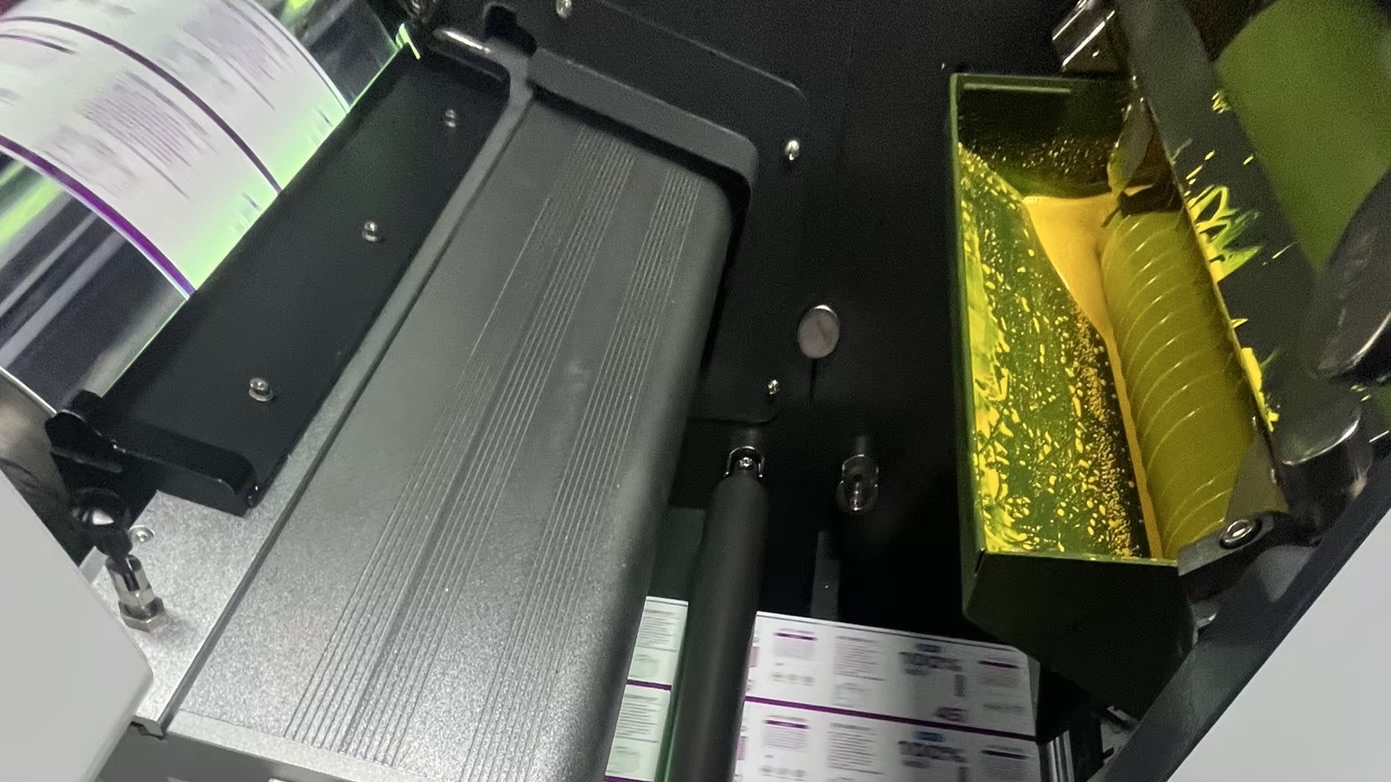
- Printed Rollstock: Continuous film pre-printed with brand graphics, product text, barcodes, and photo-eye registration marks prior to slitting and winding. Review Printed Rollstock when your VFFS or HFFS line forms finished branded packages directly from the roll.
Film Structure and Equipment Fit
The word 'rollstock' describes only how the film is wound—it does not specify whether the web is a monolayer polyethylene film or a multi-layer barrier lamination. Never assume a generic rollstock quote covers high-barrier gas protection, specialized thermal resistance, or universal machine runnability unless confirmed in writing.
On automated packaging machinery, single-wall film thickness, resin blend stiffness, coefficient of friction over forming collars, and heat-seal jaw type (impulse versus constant-heat bars) all govern line performance. Always verify monolayer polyethylene film structure and caliper against your machine builder's film specification sheet or test a sample roll before full production.
Width, Repeat and Winding Checklist
Prepare these six equipment-specific parameters before requesting a Printed Rollstock or unprinted roll film quotation:
- Total web width: Exact flat roll width (in inches or millimeters) required to wrap around your machine's forming tube or sealing jaws, including fin-seal or lap-seal allowances.
- Single-wall thickness and film format: Target caliper (mil or microns) and whether the roll feeds as flat single-wound web, folded film, or tubing.
- Print repeat length and eye-mark layout: For printed rolls, exact cut-off repeat distance between identical design points plus photo-eye mark size, color contrast, and sensor track edge.
- Unwind direction (orientation chart): Which edge leads off the roll (e.g., copy first or bottom first, print wound outside or inside) to match your machine's unwind path.
- Core ID and maximum roll OD or weight: Core inner diameter matched to your machine spindle and maximum outside roll diameter or lift weight your unwind stand accepts.
- Artwork files: Vector artwork and color references prepared per our Poly Packaging Printing and Artwork Guide so print feasibility and color count can be confirmed.