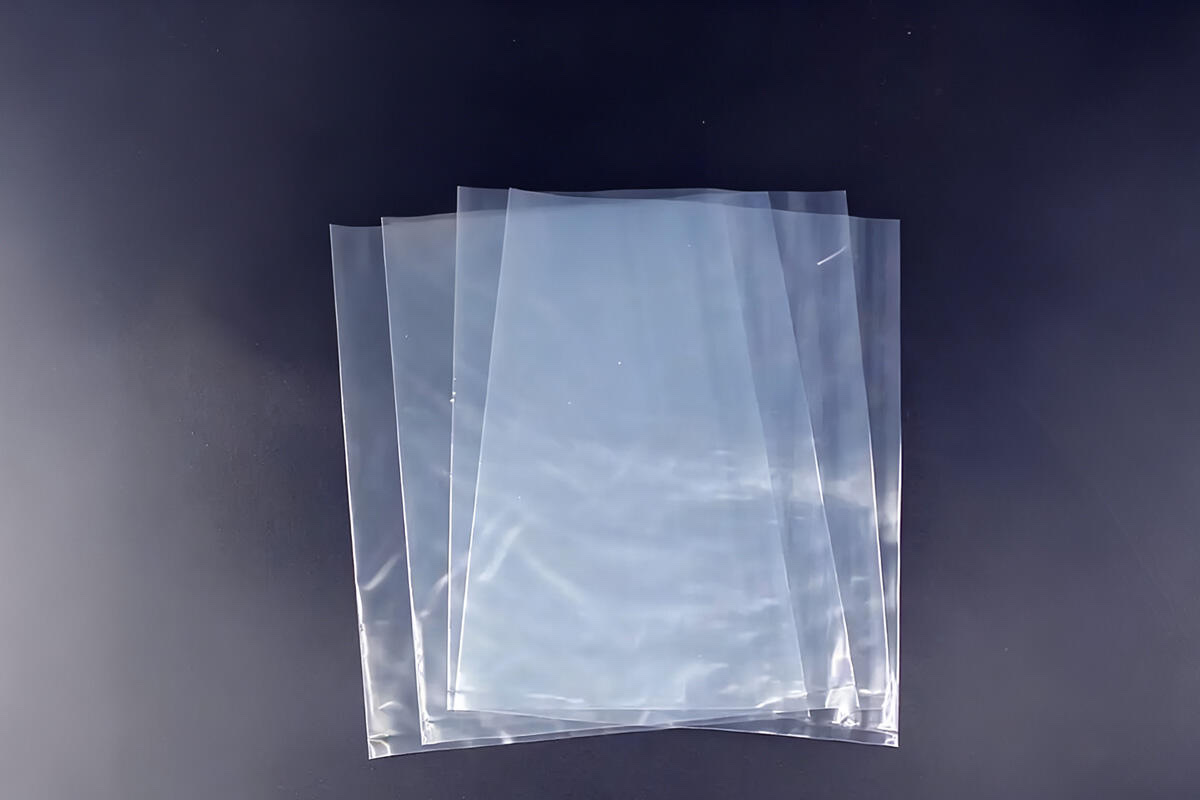
What Is a Poly Bag?
In packaging procurement, a poly bag is a thin-wall flexible container made from polyethylene (PE) thermoplastic resin—most commonly low-density polyethylene (LDPE), linear low-density polyethylene (LLDPE), or high-density polyethylene (HDPE). Whether spelled 'poly bag,' 'polybag,' or 'polythene bag,' the term refers to film-extruded bags rather than woven polypropylene sacks, rigid plastic containers, or multi-layer foil retort pouches.
Because polyethylene film combines low tare weight, moisture resistance, optical clarity (in LDPE/LLDPE grades), and straightforward heat-sealability, poly bags serve as workhorse primary and inner protective packaging across manufacturing, e-commerce fulfillment, hardware kitting, and warehouse distribution. For a deeper look at resin chemistry, read Polyethylene Packaging Materials.
Common Bag Constructions
Two bags with the exact same flat width and length can perform very differently depending on where the film is folded, welded, or closed. Industrial Poly Bags are typically specified by six core structural families:
| Bag Construction | How It Is Built | Typical Packaging Role |
|---|---|---|
| Bottom Seal Poly Bags | Cut from seamless blown tubing with one cross-bottom heat weld and no side seams. | Heavy parts, bulk hardware, inner carton liners, and general industrial packing. |
| Side Weld Poly Bags | Folded bottom crease with hot-knife welds down the left and right edges. | Flat apparel, printed textiles, manuals, and light retail or fulfillment items. |
| Side Gusseted Poly Bags | Inward pleats along both sides open outward to form a rectangular footprint. | Boxed items, bulky irregular components, multi-unit bundles, and bin liners. |
| Lip and Tape Poly Bags | Extended top flap carrying a peel-and-seal adhesive strip under a release liner. | Apparel shipping bags and rapid manual packing stations without heat sealers. |
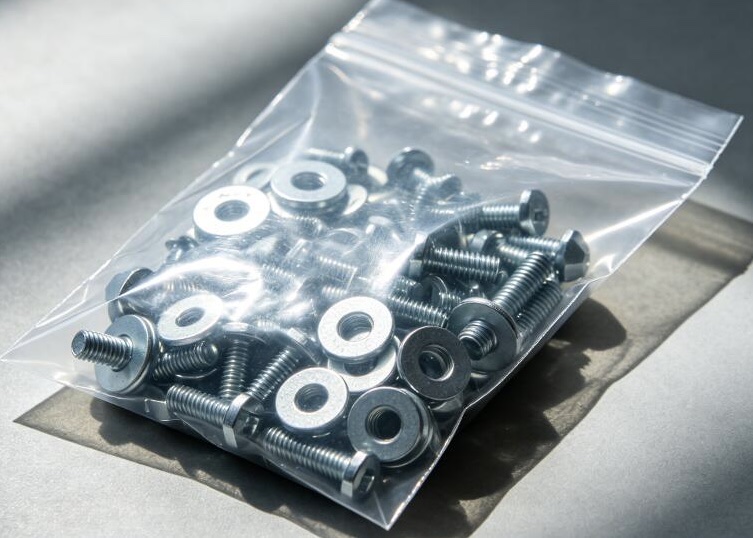
| Reclosable Poly Bags | Integral press-to-close rib-and-groove track below the top grip lip. | Hardware assortments, spare parts, inspection samples, and repeated-access storage. |
| Vented Poly Bags | Circular holes punched at specified locations across the bag face. | Releasing trapped air during pallet stacking or allowing moisture/condensation escape. |
Packaging Uses and Limitations
Understanding both the functional benefits and practical boundaries of polyethylene film helps buyers avoid under-specifying or assuming properties that standard utility film does not carry:
- Dust, scuff, and splash protection vs. hermetic containment: Standard polyethylene film resists ambient moisture and surface dust during shipping and storage, but an open-ended, taped, or standard zipper bag is not automatically liquid-tight or gas-barrier packaging.
- Puncture and tear behavior depend on caliper and grade: Sharp metal threads, stamped brackets, or heavy castings can pierce thin utility bags; matching single-wall thickness (mil/micron) and LLDPE/LDPE blend to part weight and edge geometry is essential.
- Single-use shipping vs. repeated shop-floor handling: Lightweight thin-gauge bags minimize material weight for one-way fulfillment, whereas thicker reclosable or heavy-gauge bags withstand repeated opening in kitting bins.
- Specialized compliance is never automatic: Direct food contact, electrostatic discharge (ESD) protection, UV weathering, child-safety suffocation warnings, or compostability/recycled-content claims require dedicated resin formulations, testing, or print specifications—never assume an ordinary clear poly bag carries those certifications by default.
What to Specify Before Ordering
Before requesting pricing from a manufacturer, prepare a concise specification sheet so quotes are comparable across suppliers (see How to Measure Poly Bags):
- Construction & mouth style: Bottom seal, side weld, side gusset, extended lip, adhesive lip-and-tape, or press-to-close zipper.
- Exact flat dimensions: Width × usable length (plus side gusset depth or lip height) with units clearly marked in inches or millimeters.
- Single-wall film thickness: Target caliper in mil or microns (µm) for one layer of film—or send the weight and sharp-edge profile of the item being packed.
- Film appearance & features: Clear or custom-tinted film, vent hole size/placement if air relief is needed, and any artwork files for review.
- Estimated order quantity: Target volume per size so extrusion and converting runs can be quoted accurately.